Stones, sharpeners & how-to
Keep your knives sharp — the part most guides skip
The gear that actually restores an edge, ranked and explained, plus the technique guides that turn a dull knife back into a sharp one without wrecking the blade.
A sharp cheap knife outperforms a dull expensive one, every single time — which makes sharpening the highest-return skill in the whole kitchen, and the one almost nobody teaches well. This hub is deliberately weighted toward it, because the big review sites obsess over which knife to buy and then abandon you the moment it goes dull. Here you will find the gear that genuinely restores an edge, ranked by how it actually performs, and the plain-English technique guides that tell you how to use it.
Start with the single most important distinction: honing is not sharpening. A honing steel — the rod that comes in every knife block — removes no metal at all; it just realigns an edge that has rolled over microscopically with use, and you do it often, ideally before each session. Sharpening removes a tiny amount of steel to grind a fresh edge, and you only need it every few weeks to months. Confusing the two is why so many people 'sharpen' constantly with a honing rod and wonder why their knife is still dull. Once that clicks, the tool choices make sense: a whetstone gives the best, most controllable edge but takes practice; a pull-through or electric sharpener is faster and far more foolproof but removes more metal; and a guided system sits in between, locking the angle so you get a real edge without years of freehand practice.
Angle is the thread that ties sharpening back to the knife you bought. German and Western knives are ground around 20 degrees per side and are happy to stay there; Japanese knives are ground keener, around 15 degrees, which is sharper but more delicate — and a 20-degree pull-through sharpener will quietly ruin a 15-degree Japanese edge by grinding it to the wrong angle. Match the tool to the blade. The roundups below cover whetstones, electric and manual sharpeners, and honing steels; the guides cover how to sharpen on a stone step by step, the right angle for your knives, and exactly where honing ends and sharpening begins.
We earn a commission when you buy through our Amazon links, at no extra cost to you. It never changes a verdict, and we say so when the cheaper knife is the better buy. How this works.
Everything in this hub
All sharpening
Roundup
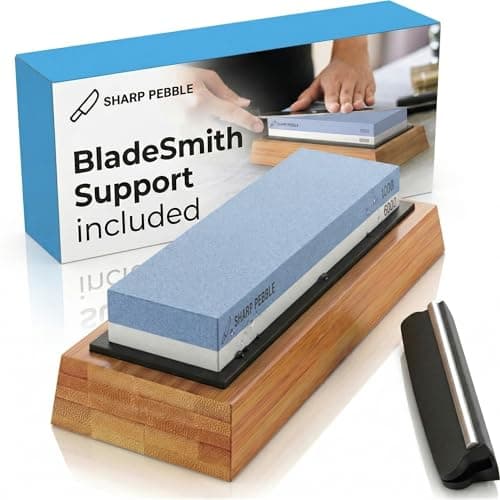
The best sharpening stones for kitchen knives
Five whetstones ranked on cutting speed, grit and value - starting with the one combination stone that covers most home kitchens.
5 knives compared
See all picks →Top pick: Sharp Pebble Premium 1000/6000 Whetstone
Roundup
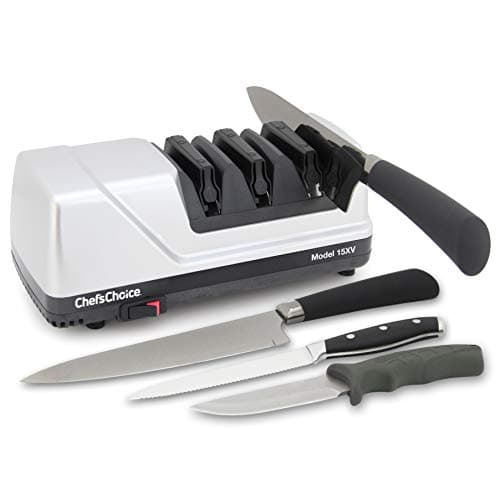
The best knife sharpeners, from electric to guided
Five knife sharpeners ranked on edge quality, ease and speed - electric, guided and pull-through, matched to how much control you want.
5 knives compared
See all picks →Top pick: Chef'sChoice Trizor 15XV Electric Sharpener
Roundup
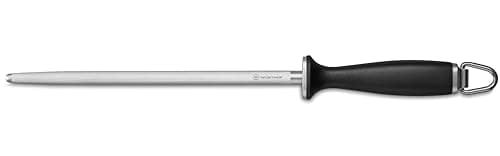
The best honing steels to keep an edge true
Four honing rods ranked on effectiveness, reach and grip - the daily habit that keeps a knife feeling sharp between real sharpenings.
4 knives compared
See all picks →Top pick: Wusthof 10" Honing Steel
Buyer's guide
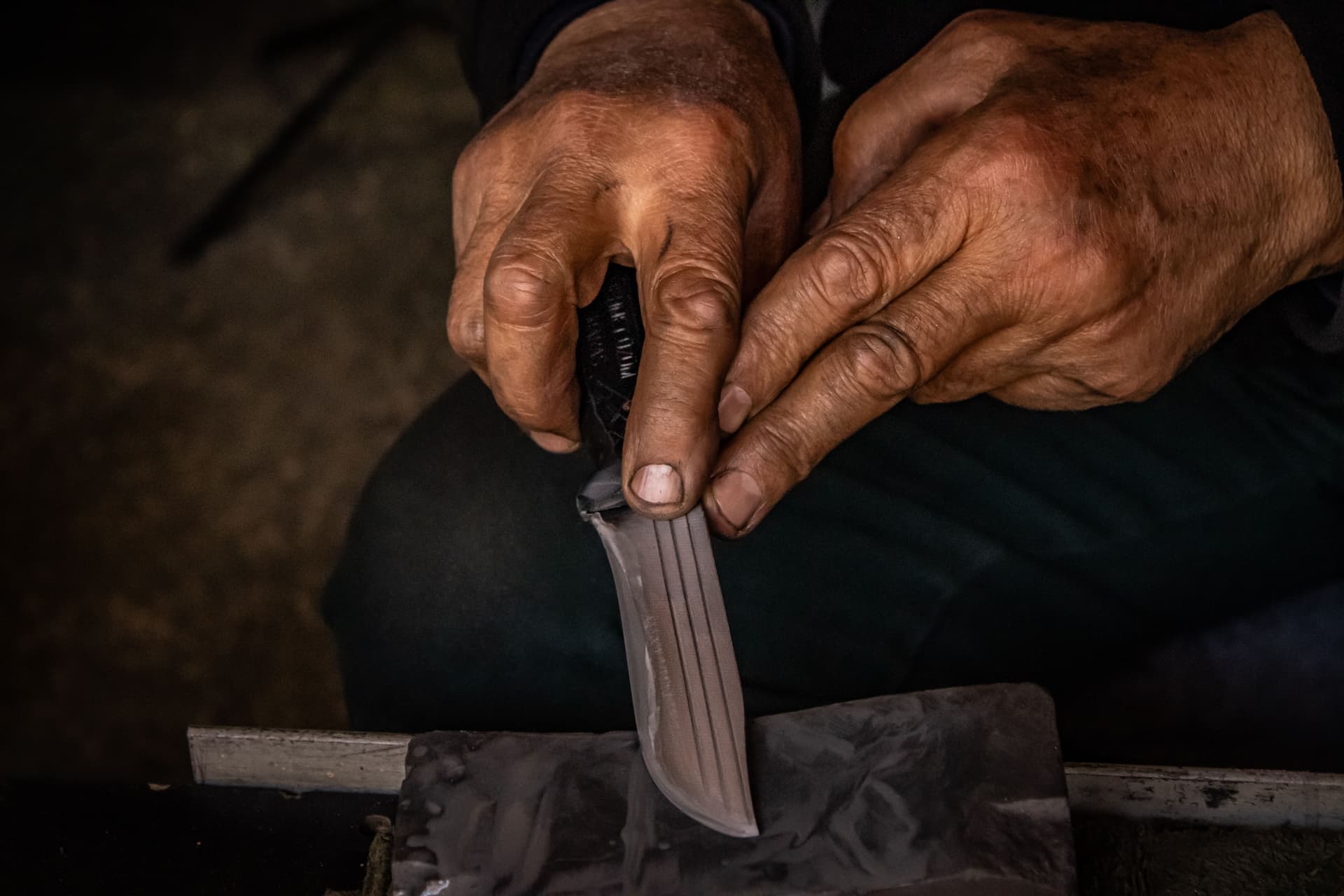
How to sharpen kitchen knives on a whetstone
A plain-English, step-by-step method for sharpening a kitchen knife on a whetstone - from soaking the stone to feeling for the burr and stropping the edge clean.
Read it →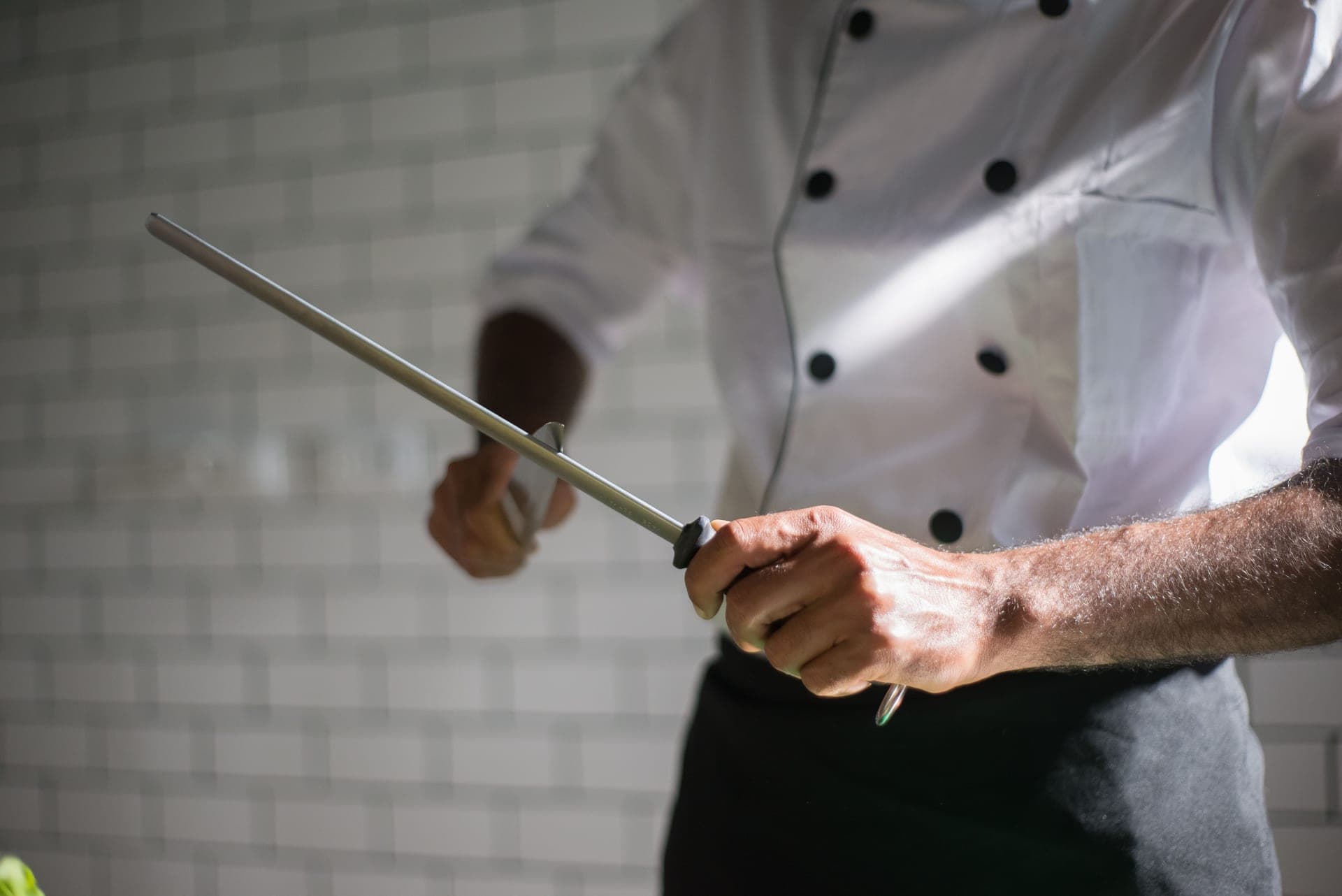
Buyer's guide
Sharpening vs honing: what's actually different
The difference between honing and sharpening in one screen - honing realigns an edge and removes no metal, sharpening grinds a new one - plus how to tell which you need.
Read it →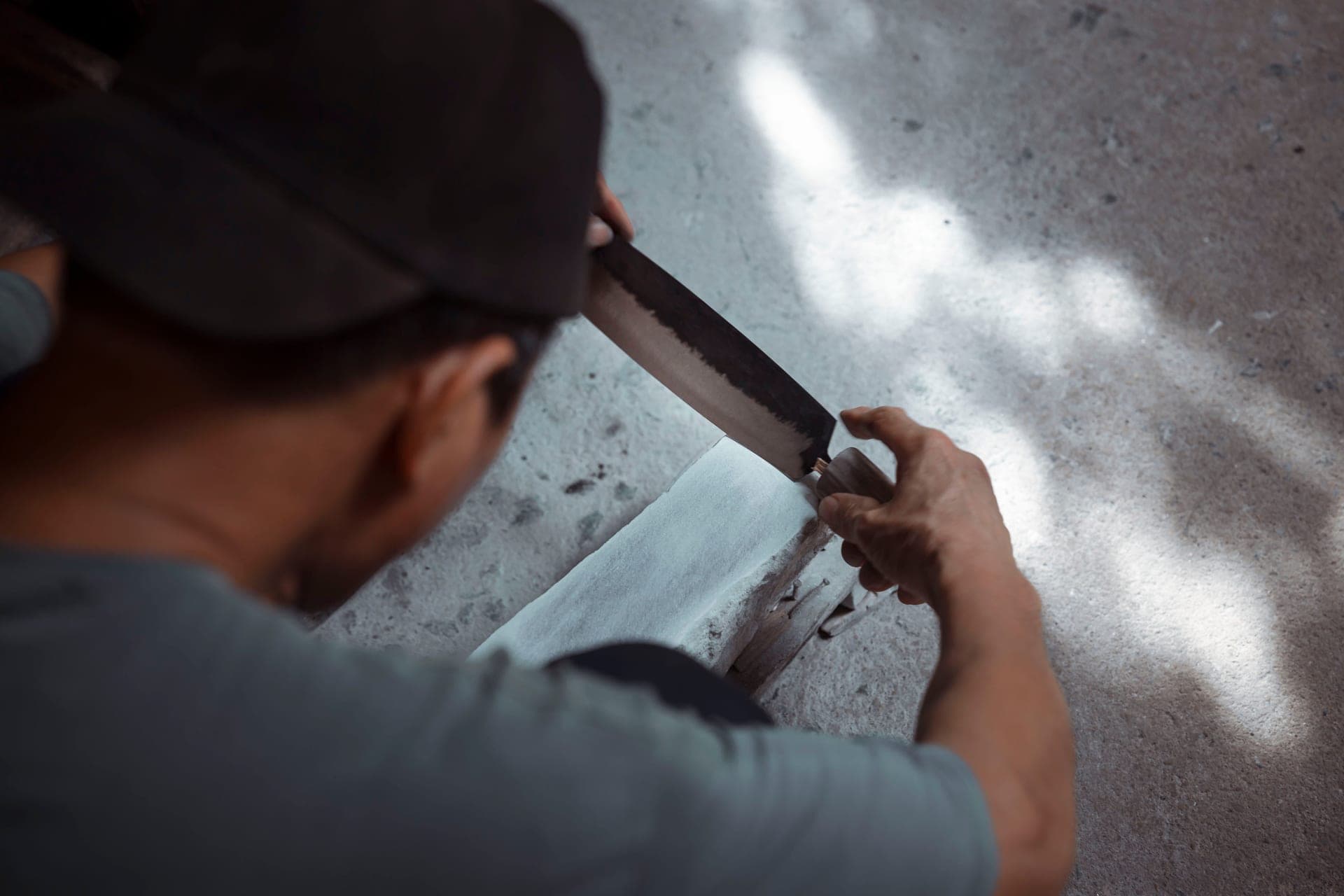
Buyer's guide
Knife sharpening angles: 15 vs 20 degrees
The 15 vs 20 degree question, settled by knife style - keener Japanese edges vs tougher Western ones - with a brand-to-angle cheat sheet and how to hold the line.
Read it →
Roundup
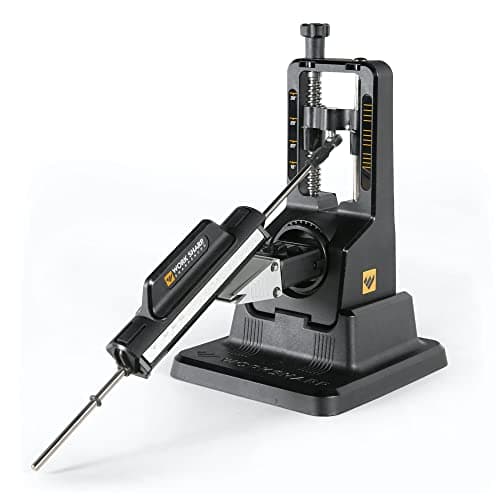
The best sharpening stones for beginners, ranked
Six starter whetstones ranked on how forgiving they are, not how refined - including why a 1000/6000 combo is often the wrong first stone.
6 knives compared
See all picks →Top pick: Sharp Pebble 400/1000 Whetstone Kit
Roundup
The best guided knife sharpening systems, ranked
Six guided sharpening systems ranked on edge quality, angle range and value - the middle path between a pull-through and a whetstone.
6 knives compared
See all picks →Top pick: Work Sharp Precision Adjust Knife Sharpener
Buyer's guide
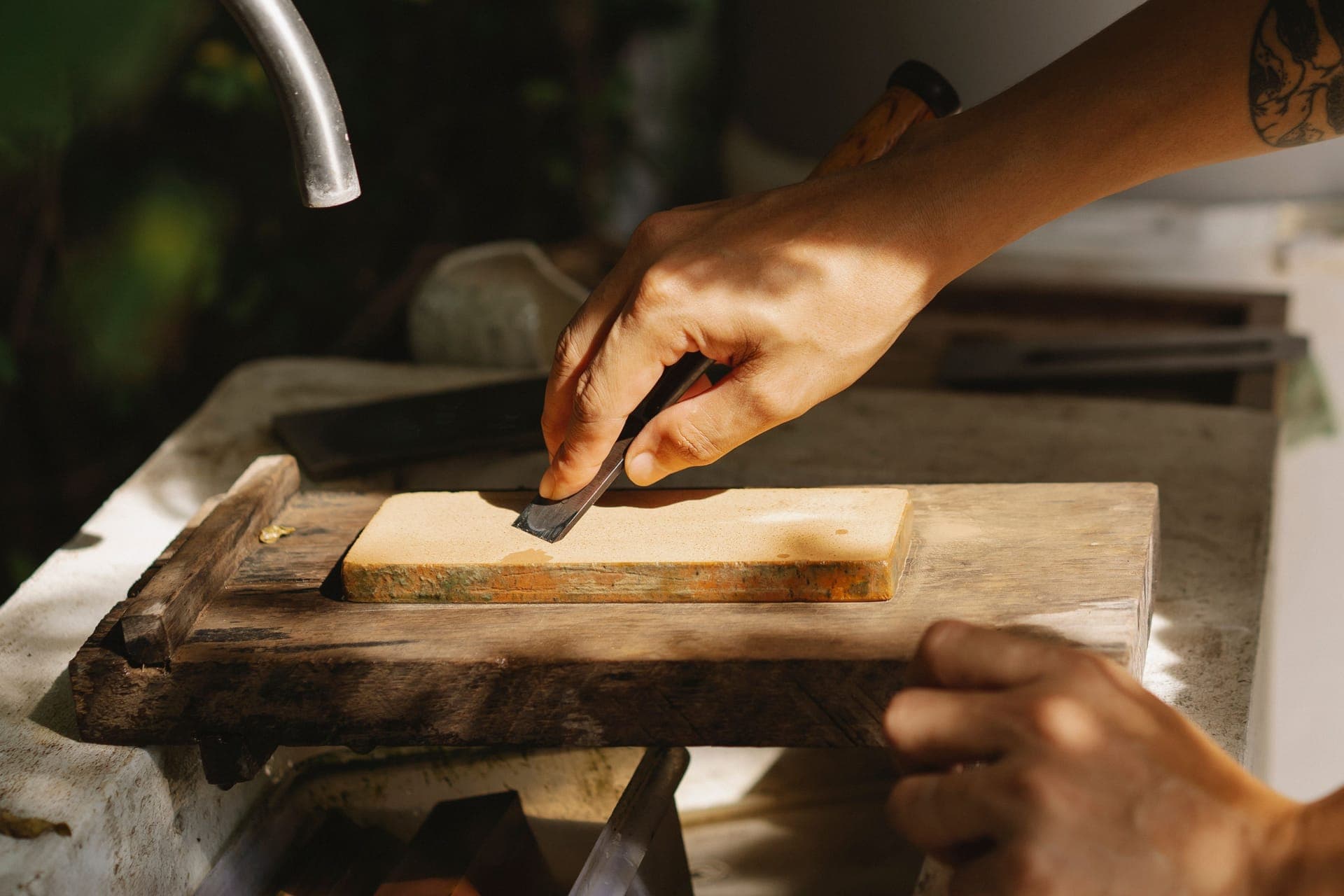
Whetstone grits explained: what the numbers actually do
What whetstone grit numbers mean, which two grits a home kitchen actually needs, and why a mirror polish is not the goal for a chef's knife.
Read it →
Buyer's guide
The easiest knives to sharpen - and the ones that fight back
Softer steel, no full bolster and a simple grind make a knife forgiving on a stone. What makes a blade hard work, and what to buy if you plan to learn.
Read it →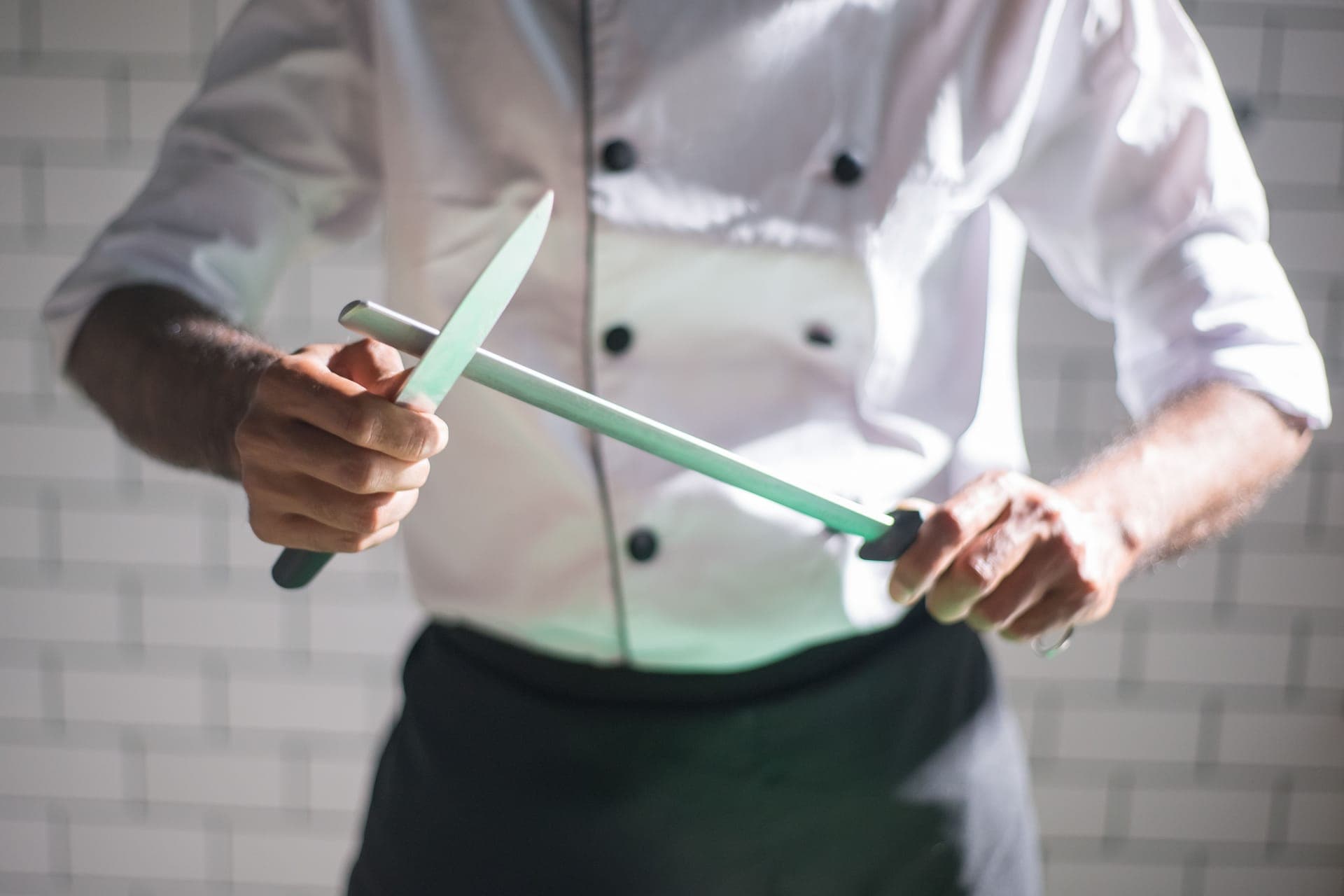
Buyer's guide
How to use a honing steel, properly
The right angle, the right stroke and the right number of passes - plus the common mistakes that damage an edge instead of realigning it.
Read it →Roundup
The best electric knife sharpeners
Five electric sharpeners ranked on edge quality, angle control and value - and an honest account of how much steel each one removes from your knives.
5 knives compared
See all picks →Top pick: Chef'sChoice 15XV EdgeSelect (Trizor XV)
Roundup
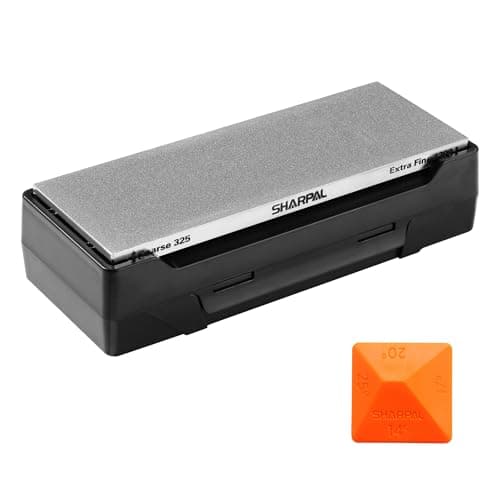
The best diamond sharpening stones
Five diamond plates ranked on cutting speed, finish, flatness and value - and the honest case for when a water stone is still the better buy.
5 knives compared
See all picks →Top pick: SHARPAL 162N Double-Sided Diamond Stone 8" x 3"
Buyer's guide
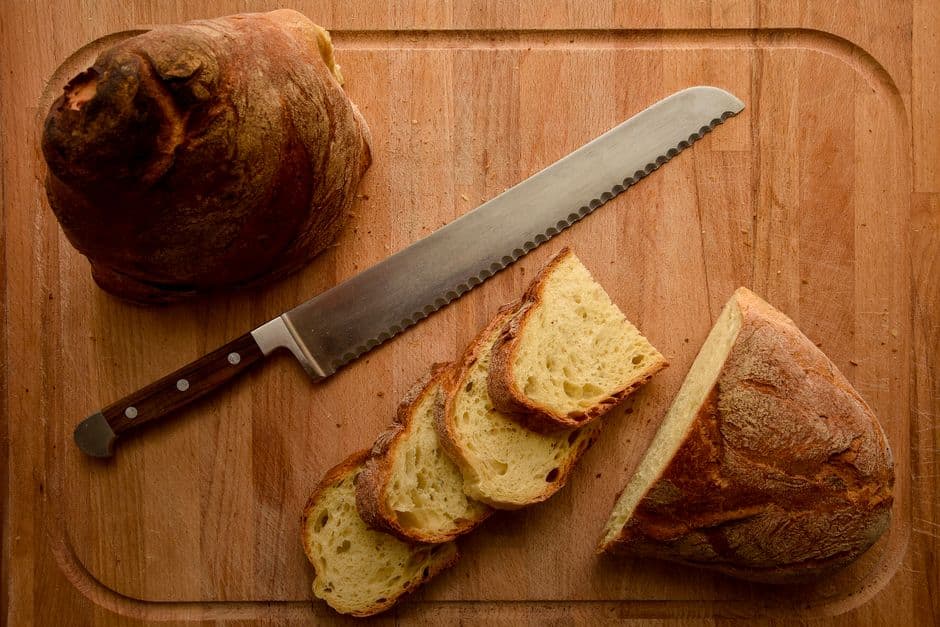
How to sharpen a serrated knife
A tapered rod, one gullet at a time, on the ground side only. The method that works, the pull-through mistake that destroys serrations, and when to just replace the knife.
Read it →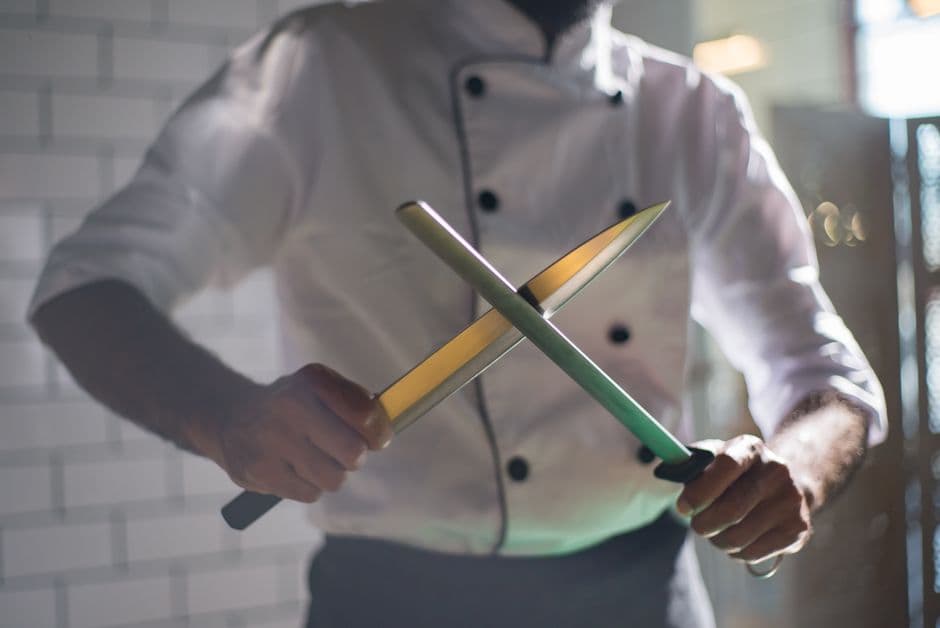
Buyer's guide
How often should you sharpen your knives?
Hone weekly, sharpen every few months - but test rather than follow a calendar. What actually drives the interval, and the paper test that settles it in two seconds.
Read it →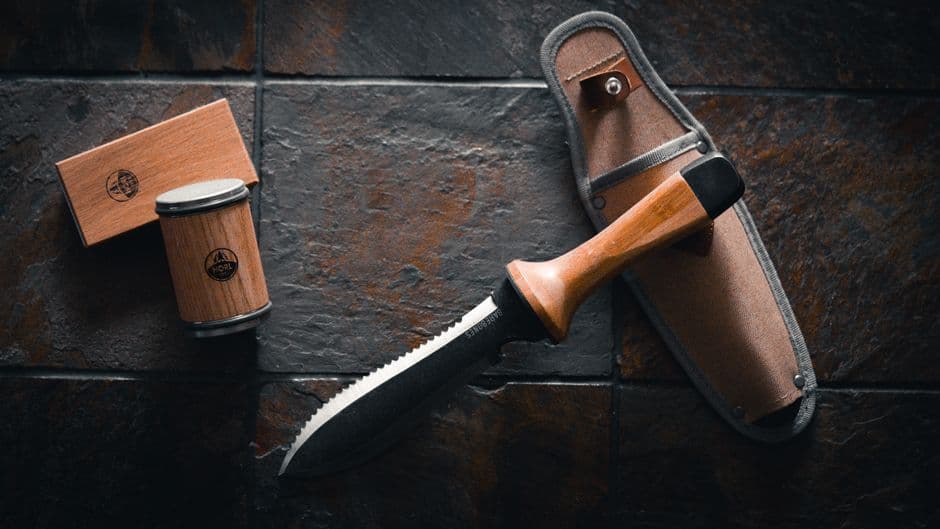
Buyer's guide
Sharpening vs stropping
Sharpening grinds a new apex, honing realigns a rolled one, stropping strips the burr and polishes. What a strop is genuinely for, and whether a home kitchen needs one.
Read it →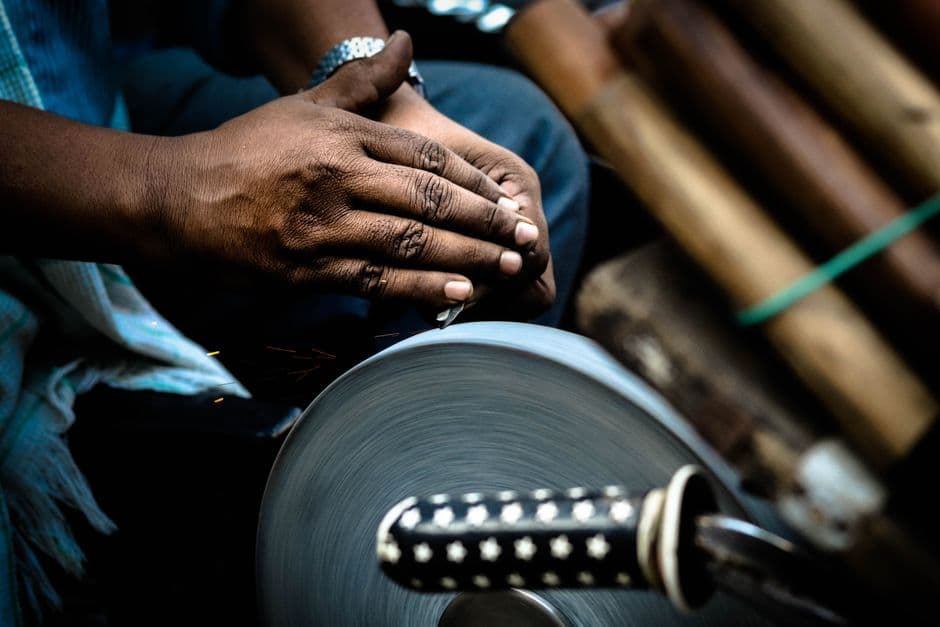
Buyer's guide
Nine knife sharpening mistakes
Wrong angle, too much pressure, never raising a burr, skipping the deburr, a dished stone: the nine errors that stop home sharpening working, and how to fix each.
Read it →
Buyer's guide
How to flatten a whetstone
A dished stone cannot grind a flat bevel. The pencil-grid test, three flattening methods ranked by cost, and how often it actually needs doing.
Read it →
Buyer's guide
Finding a knife sharpening service near you
How to find and vet a local knife sharpening service - what to ask, what it should cost, the warning signs of a bad grinder, and when doing it yourself is better.
Read it →Comparison
Honing rods: steel vs ceramic vs diamond
Steel, ceramic and diamond rods compared - which realigns, which lightly sharpens, which removes real metal, and which one is wrong for hard Japanese steel.
Read it →
Buyer's guide
Why knives go dull
The four ways an edge actually fails - rolling, abrasion, chipping and corrosion - what causes each, which are fixable with a rod, and how to slow all of them down.
Read it →Buyer's guide
How to sharpen a knife without a stone
Four ways to sharpen a kitchen knife without a whetstone - guided systems, electric sharpeners, pull-throughs and field sharpeners - and what each costs your blade.
Read it →Roundup
Knife sharpener reviews: seven types, one rubric
One sharpener from every family - stone, guided, electric, diamond, rod, strop, pull-through - scored on a single rubric so the numbers compare across types.
7 knives compared
See all picks →Top pick: Work Sharp Precision Adjust
Roundup
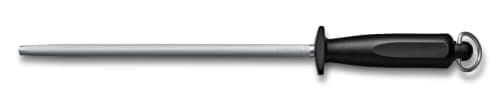
Sharpening steels and honing rods, sorted by the knives you own
The front door to every honing question we answer - which rod suits your steel, what angle to hold it at, and where the whole category is explained.
3 knives compared
See all picks →Top pick: Victorinox 10 in Kitchen Honing Steel (7.8303)
Buyer's guide
Do you need a honing rod?
A yes/no answer keyed to your knives rather than a hedge - who a rod actually helps, the two cases where it does not, and what to buy.
Read it →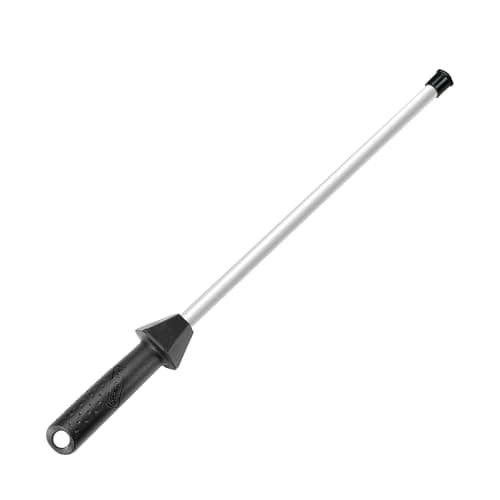
Buyer's guide
What angle to hone a knife at
The honing angle explained separately from the sharpening angle - what 15 and 20 degrees look like in the hand, and the rods that hold it for you.
Read it →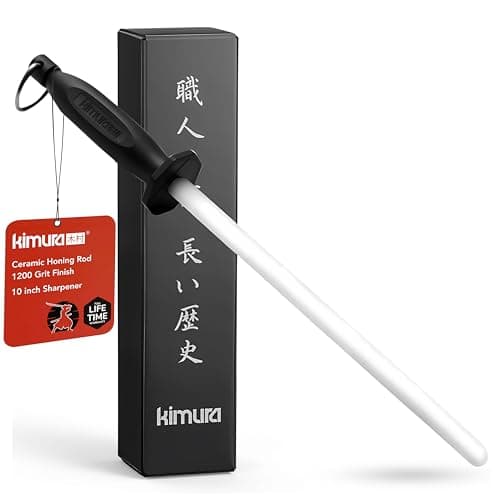
Comparison
Sharpening steel vs honing steel
Whether the two names mean the same tool, the distinction underneath that decides what you buy, and one rod for each of the three answers.
Read it →Roundup
The best honing rods for Japanese knives
Four ceramic rods ranked for 60+ HRC Japanese steel, on grit, reach and build - plus why the steel rod in your block is the wrong tool for them.
4 knives compared
See all picks →Top pick: Sharpeak 12 in Ceramic Sharpening Steel with Built-In Angle Guides
Comparison
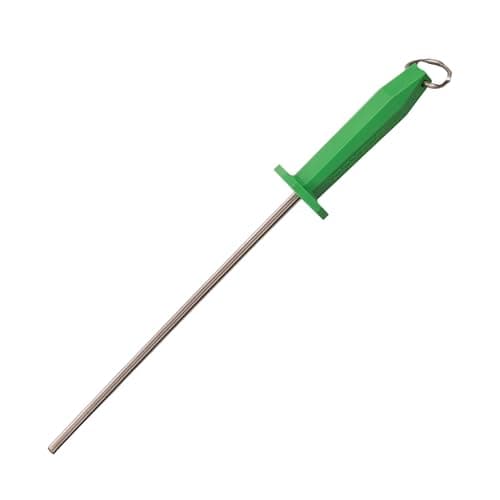
Grooved vs smooth honing steel
Ridged rods realign faster, smooth rods do less damage - a real disagreement among people who sharpen for a living, with a pick for each side.
Read it →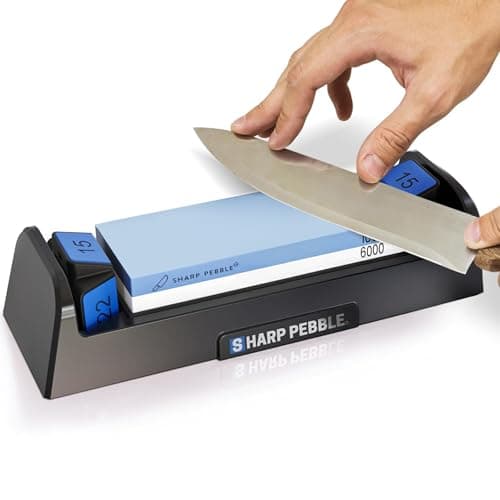
Roundup
The knife sharpening kit a beginner actually needs
The stone, rod and angle guide that make a real starter setup, ranked - and why the twelve-piece bundles sell you grits you will never reach.
4 knives compared
See all picks →Top pick: Sharp Pebble Complete Whetstone Kit, 1000/6000
- Buyer's guide
Buyer's guide
How to tell if a knife needs honing or sharpening
Two ten-second tests that tell you whether the edge is rolled or worn - and therefore whether you need a rod or a stone.
Read it → Roundup
Best knife sharpeners for Japanese knives
The sharpeners that can actually hold a 15-degree edge on 60+ HRC Japanese steel, ranked on angle suitability, edge quality and hard-steel safety - plus the devices to avoid.
6 knives compared
See all picks →Top pick: Work Sharp Precision Adjust
Buyer's guide
Do electric knife sharpeners ruin knives?
What an electric sharpener actually does to an edge, which knives tolerate it, which ones should never go near one, and the manual tool that does the same job with less metal loss.
Read it →Buyer's guide
Why is my knife still dull after sharpening?
The six real reasons a knife will not get sharp - wandering angle, unremoved burr, glazed or dished stone, wrong grit, rounded apex, too few passes - and how to diagnose yours.
Read it →Buyer's guide
How long does a whetstone last?
A water stone used by a home cook lasts years, and almost never wears out from sharpening - flattening removes far more material than knives do. A diamond plate outlives it several times over but loses cutting speed rather than thickness. What actually kills a stone, how to tell when it is finished, and the three plates and stones we would replace one with.
Read it →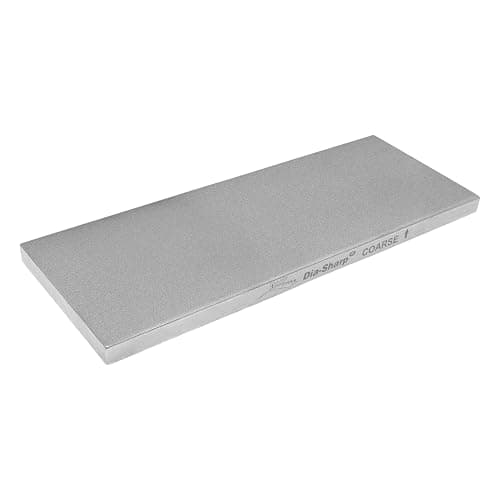
Buyer's guide
How to fix a chipped knife
A chip cannot be filled or honed out. The fix is to grind the whole edge back on a coarse abrasive until the deepest point of the chip is gone, then rebuild the bevel through the grits. The procedure step by step, the three chips we would send to a professional, and the three plates that do the job without destroying your good water stone.
Read it →