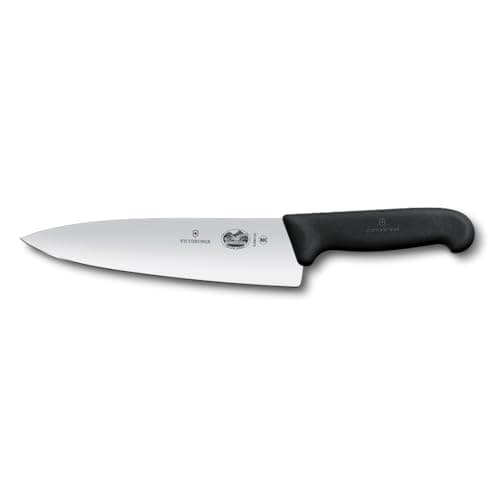
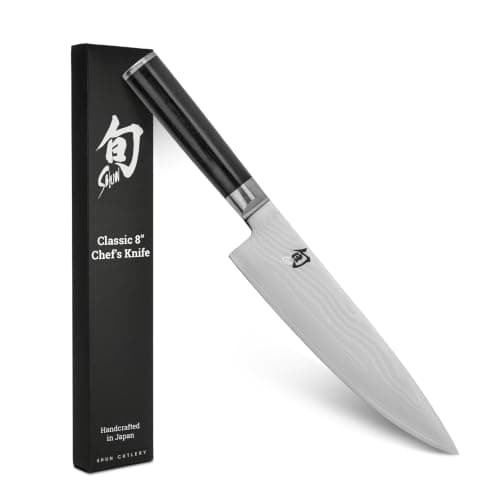
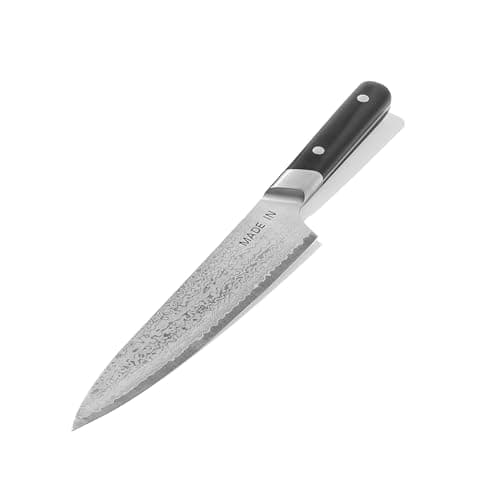
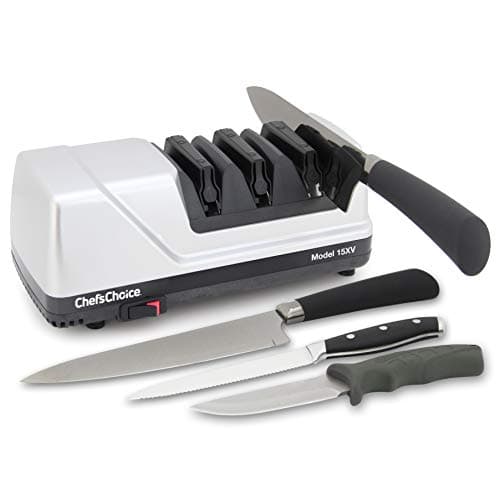
A knife is one of the few gifts a cook uses every single day, which is exactly why it is so easy to get wrong. The failure mode is always the same: a big, impressive-looking block set that turns out to be six knives nobody wanted wrapped around two they did. The gifts that land are the ones that either replace something worn out or solve a problem the recipient has stopped noticing — usually that their knives are dull.
That is why a whetstone tops this list rather than a knife. Almost every cook already owns a chef's knife and nothing to sharpen it with, so the sharpening gift is the one with the highest hit rate — and nobody buys themselves a stone. We ranked these on gift appeal, everyday usefulness, build, how it presents when opened, and value, with a deliberate spread: a workhorse under $50, a couple of mid-range upgrades, a showpiece, and two sharpening gifts that are far more welcome than they sound. If you want the reasoning behind any knife here, our main chef knife ranking has the full comparison, and if the recipient already owns a knife they love, a good set of steak knives is the gift that lands next.
How to pick a knife gift without knowing their kitchen
Work from what they are likely to already have. Almost everyone owns a mediocre chef's knife and nothing to sharpen it with. That means a sharpening gift is the highest-hit-rate present in this category, and a second chef's knife is the lowest — unless theirs is visibly terrible. If you know they cook seriously, an upgrade blade in a different steel philosophy is the move; if you know they cook rarely, something that makes their existing knives work is kinder than something new to store.
The gift-set trap
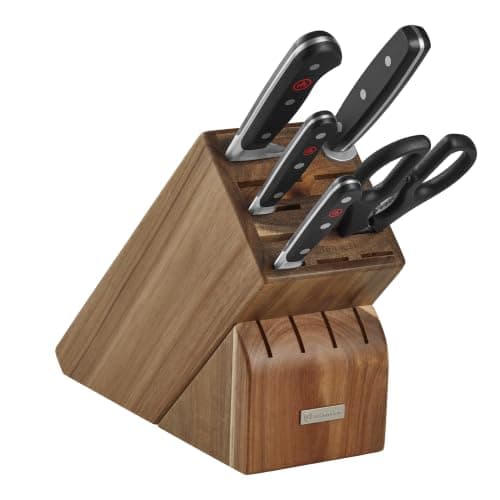
A fifteen-piece block set looks like generosity and is usually the worst value on the shelf. The maths is simple: the price is spread across steak knives, a slicer, shears and a boning knife the recipient will use twice, which means the chef's knife at the center is built to a lower standard than a standalone knife at the same total price. If a set is the right shape of gift, buy a small forged one like the six-piece above rather than a big stamped one — the full argument is in our knife set roundup.
Superstition, and the coin
In several cultures giving a knife is said to sever a friendship, and the customary fix is for the recipient to hand back a small coin so the knife counts as bought rather than given. It costs nothing to tape a penny to the box, it is a genuinely charming detail, and it removes any awkwardness if the person you are buying for happens to care.
Matching the gift to the cook
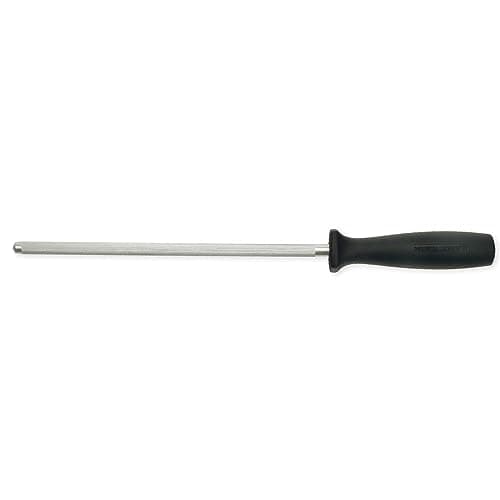
- They just moved out. The Victorinox, plus the honing steel. Two useful things, still under most gift budgets.
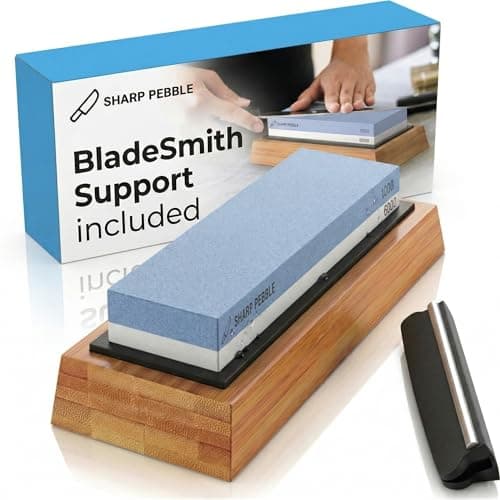
- They cook constantly and own decent knives. The whetstone, or the Damascus gyuto if the budget allows.
- Their knives are all blunt and they have no interest in fixing it. The electric sharpener. It will change their week.
- It is a wedding or a milestone. The forged block set.
- You want something that looks spectacular opened. The Shun.
What we would skip
Skip novelty knives — rainbow titanium coatings, chunky "survival" chef knives, anything sold on how it looks in a short video. Skip knife sets under about fifty dollars entirely; the money is spread so thin that nothing in the box is worth owning. And skip an expensive Japanese blade for someone who does not already maintain their knives: it is the one gift in this category that can genuinely be ruined within a month, and the reasons are laid out in easiest knives to sharpen.
Wedding and registry gifts are a category of their own, because the giver is choosing for a household rather than a person. Best knife sets for a wedding registry ranks sets on exactly that basis.
How we picked
We did not lab-test these knives
Everyone in this category says they tested twenty knives in a professional kitchen. We have not hands-on tested any of these, and we say so. What we did instead: compiled the published specifications — steel type and hardness (HRC), edge angle, blade geometry, weight and build — applied established sharpening standards, ran the value math (spec quality ÷ live price), and scored each product against a published rubric. The scores are judgments from documented research — not measurements we took, because we do not have a test lab and we will not pretend we do. Where a number came from someone else's work, we name them in Sources.