Types & comparisons
Kitchen knife types, explained without the mystique
What each blade shape is actually for, and the head-to-head comparisons that answer the question you are really asking: which one should I buy?
Most kitchens need far fewer knives than the marketing implies. If you understand four blade shapes, you understand the whole wall of options: a chef's knife, a santoku, a paring knife, and a serrated bread knife will handle almost everything a home cook does. This hub explains what each type is built for — the blade profile, the tip, the balance, the cutting motion it rewards — so you can tell a genuine tool from a duplicate you will never reach for.
The chef's knife is the 8-inch generalist: a curved belly that rocks against the board, a pointed tip for fine work, enough length and heft for almost any task. The santoku is its shorter, flatter Japanese cousin — lighter and more nimble, with a straight edge suited to a push-cut rather than a rock-chop, and a blunt sheepsfoot tip that keeps knuckles clear. The gyuto is the Japanese take on the Western chef's knife: same job, but thinner, harder and keener, with a flatter profile and a sharper point. The nakiri is a rectangular, straight-edged vegetable specialist that chops all the way through in one clean stroke, and the cleaver is the heavy blade for tasks the others cannot handle.
The comparisons below take the questions people actually type into a search bar — chef's knife vs santoku, chef vs gyuto, chef vs nakiri, Japanese vs German — and answer them side by side with the spec differences that matter and a plain recommendation on which to buy. Every one of them ties back to the buying decision: once you know which shape and which steel philosophy fits your hands, choosing an actual knife from our roundups is easy, and knowing the right edge angle for that steel tells you exactly how to keep it sharp.
We earn a commission when you buy through our Amazon links, at no extra cost to you. It never changes a verdict, and we say so when the cheaper knife is the better buy. How this works.
Everything in this hub
All knife types
Comparison
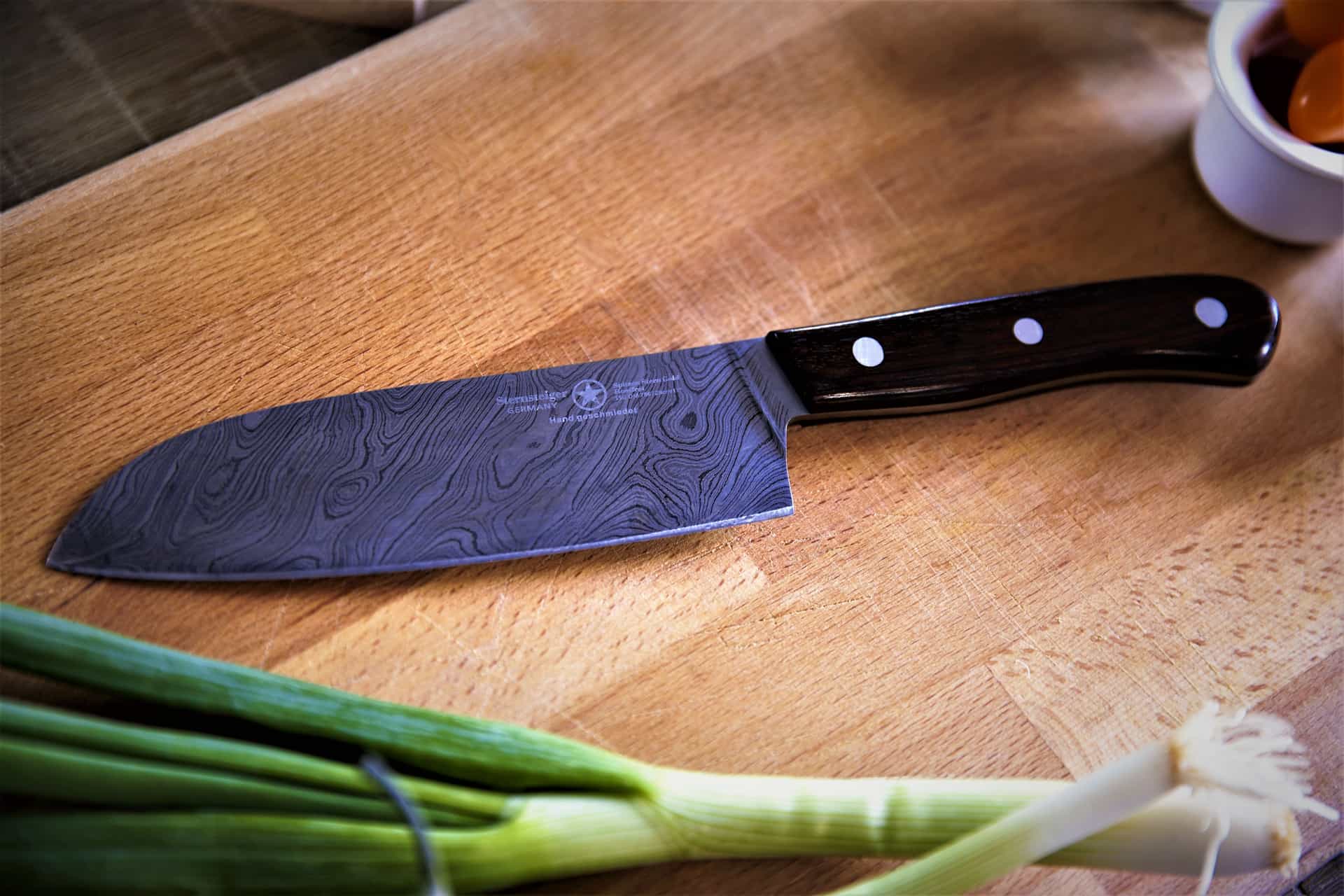
Chef's Knife vs Santoku
A curved, pointed chef's knife rock-chops; a shorter, lighter santoku push-cuts straight down. Which motion suits your hands — and whether you really need both.
Read it →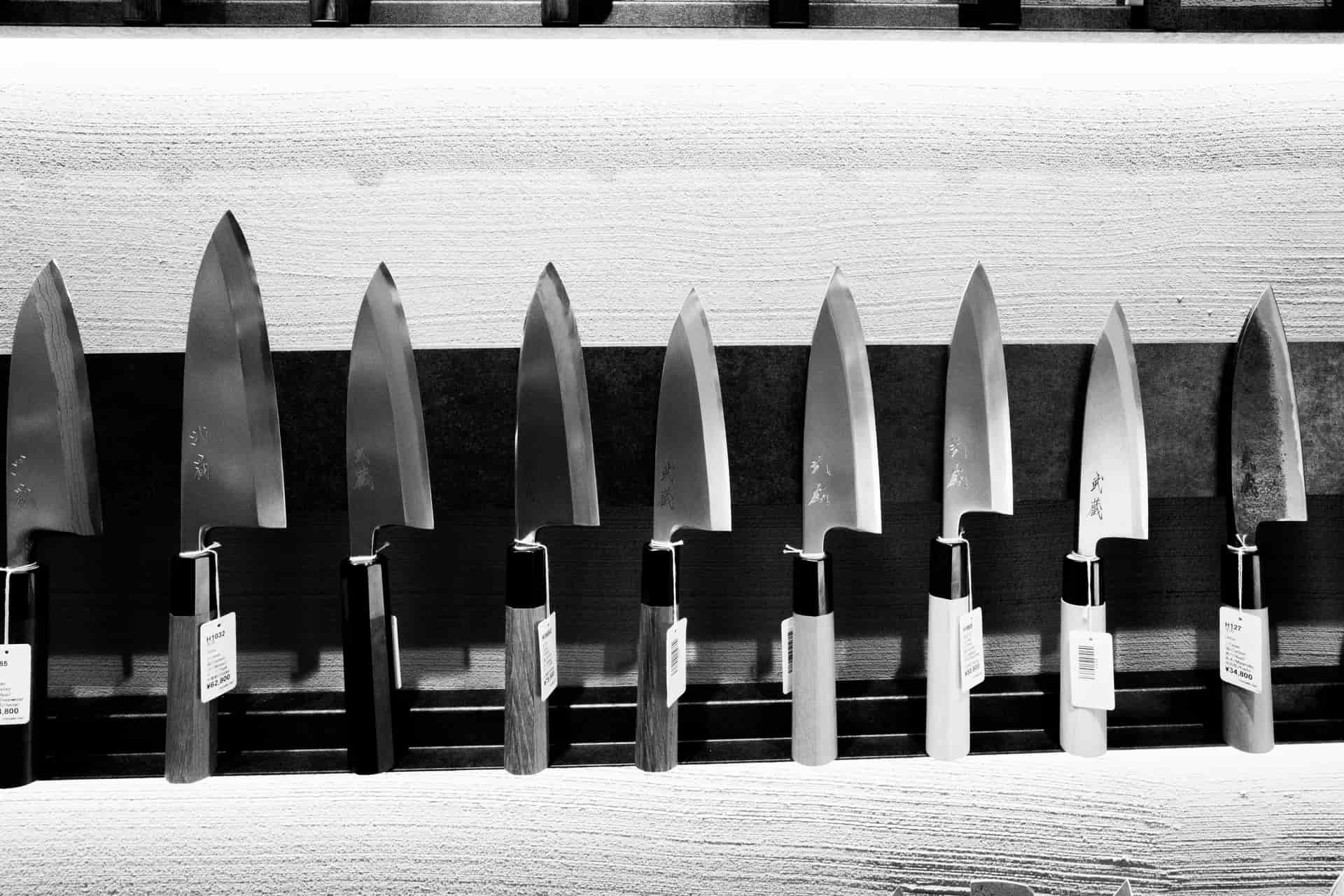
Comparison
Chef's Knife vs Gyuto
The gyuto is the Japanese chef's knife: thinner, harder steel and a flatter edge. Same all-purpose job as a Western chef's knife, a different feel in the hand.
Read it →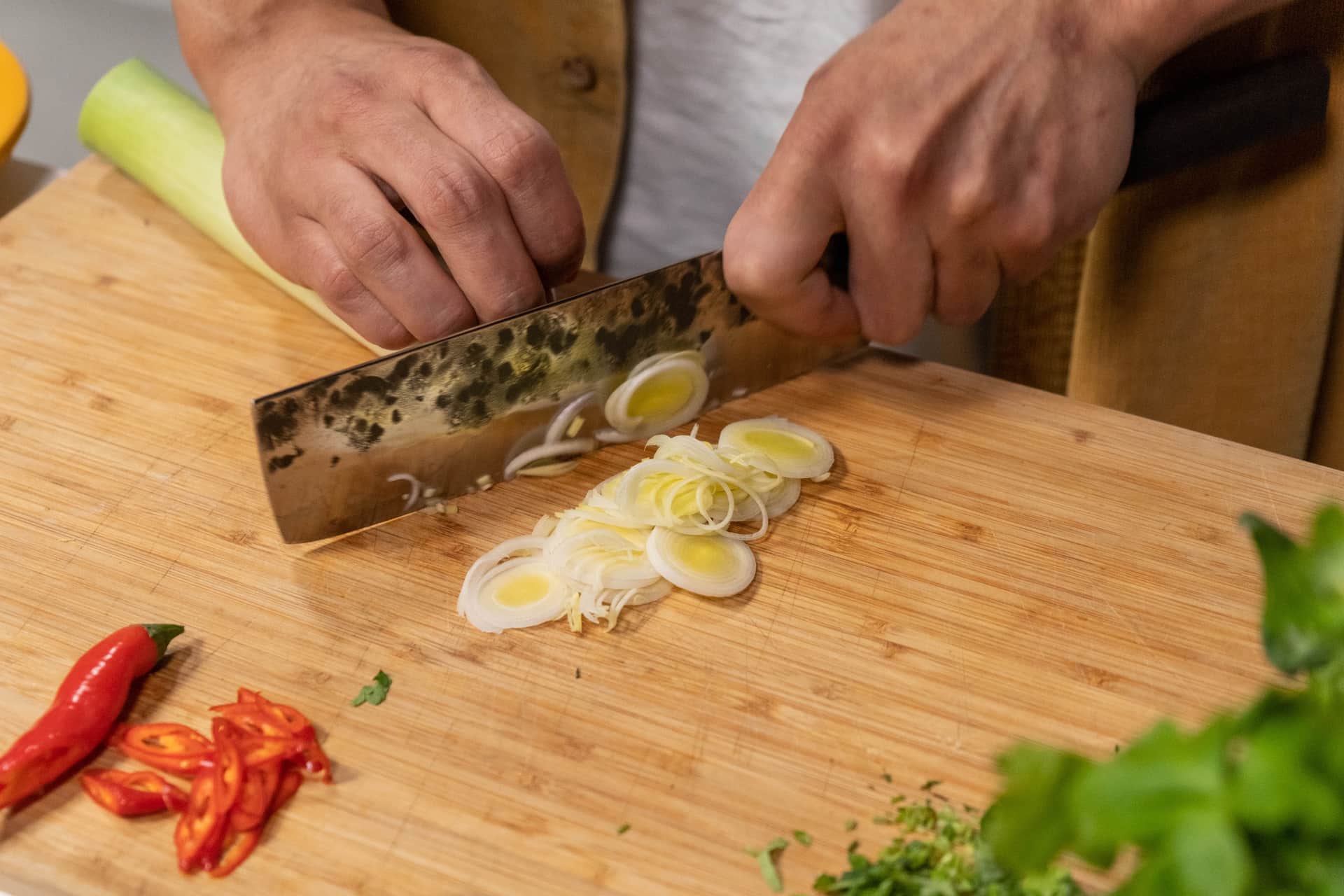
Comparison
Chef's Knife vs Nakiri
A nakiri's rectangular, straight edge chops through vegetables in a single stroke. It's a specialist that sits beside a chef's knife, not one that replaces it.
Read it →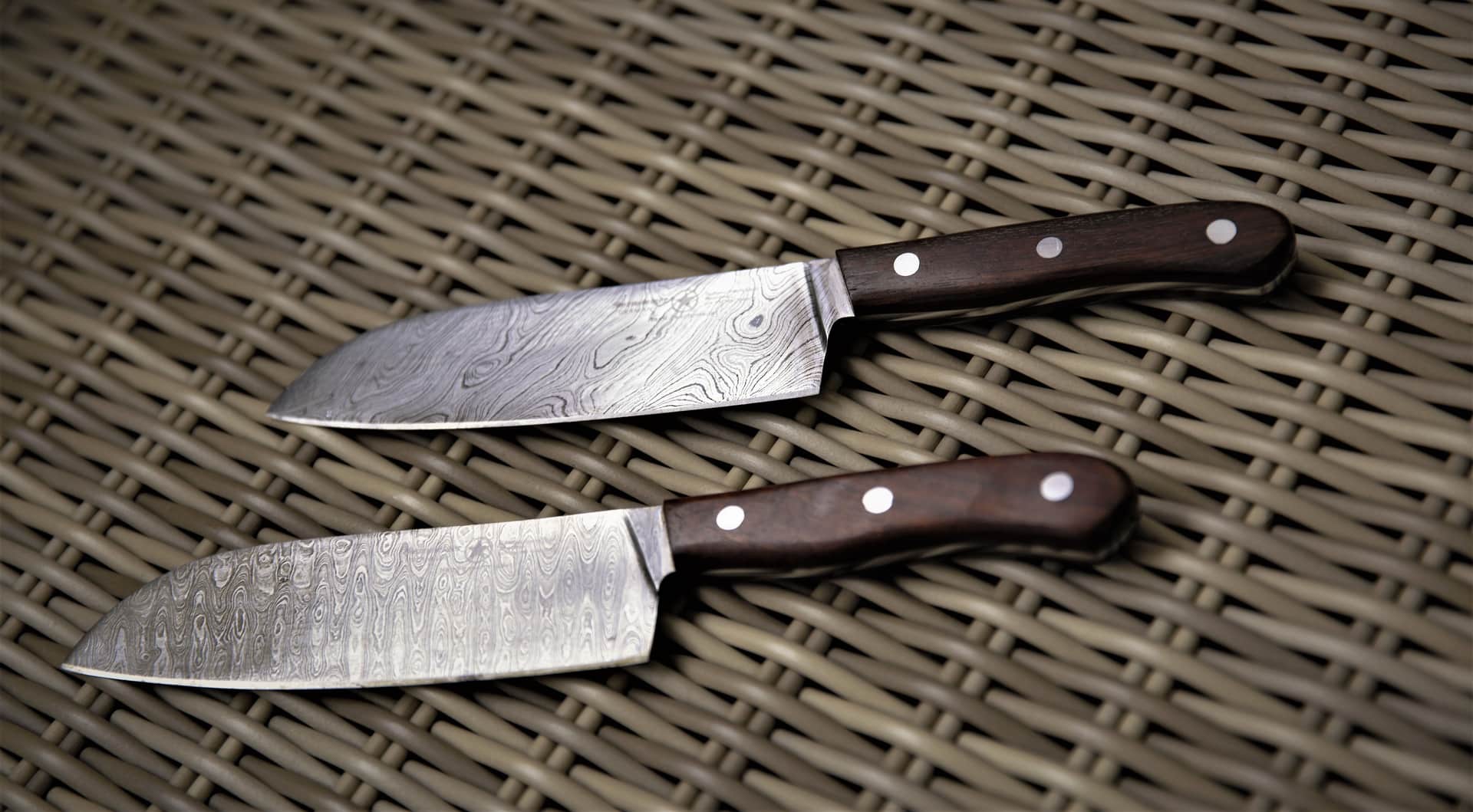
Comparison
Japanese vs German Chef Knives
German knives are tougher and forgiving; Japanese knives are harder and keener but need care. Choose by how you cook and how gently you treat your gear — not by 'better'.
Read it →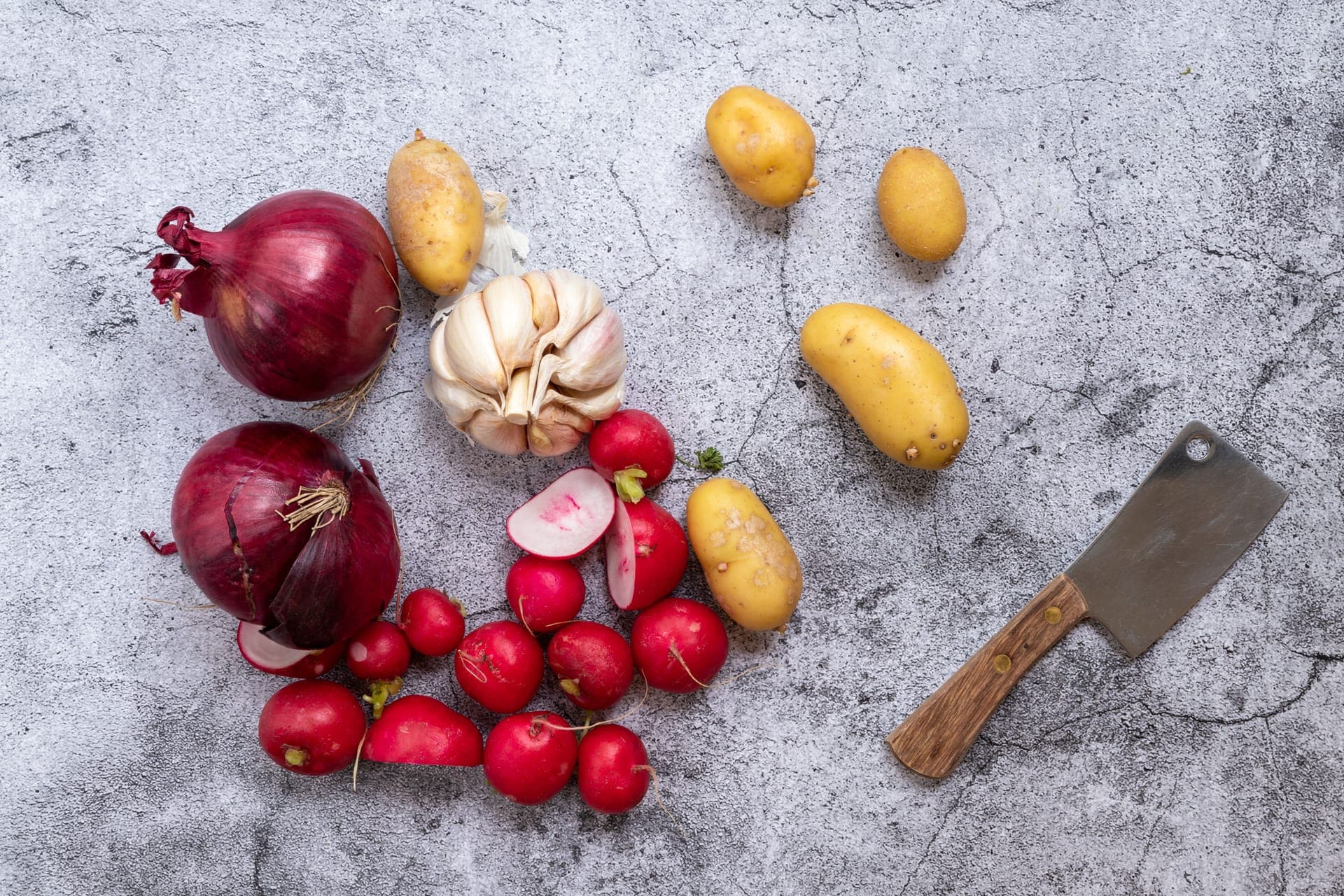
Comparison
Chef's Knife vs Cleaver
A chef's knife is the thin all-purpose blade; a cleaver is either a thick bone-splitter or a thin Chinese vegetable knife. Which one earns its place on your board.
Read it →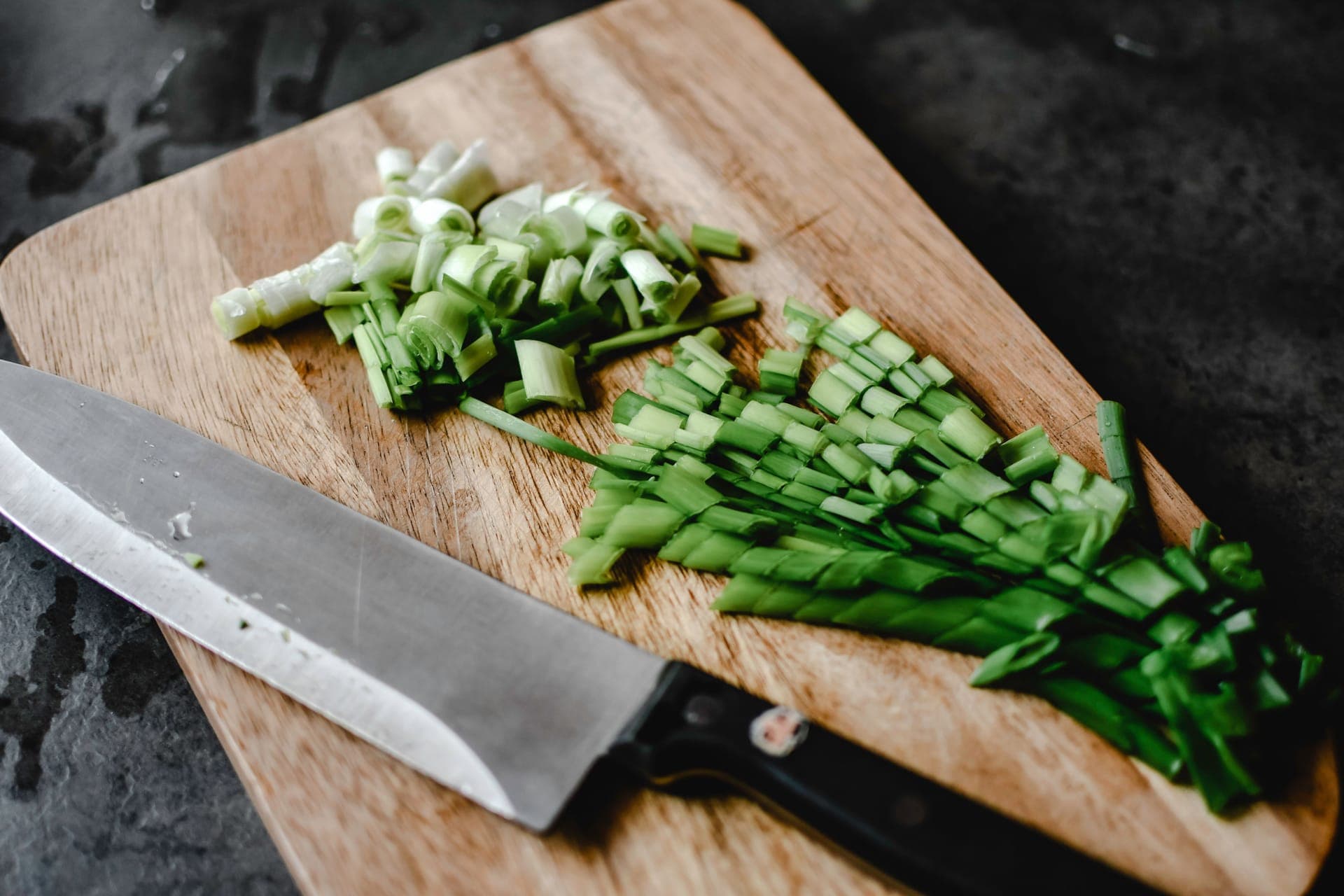
Comparison
Santoku vs Nakiri
A santoku is a shorter Japanese all-rounder that still handles protein; a nakiri is a straight-edged vegetable specialist. Which belongs in your kitchen.
Read it →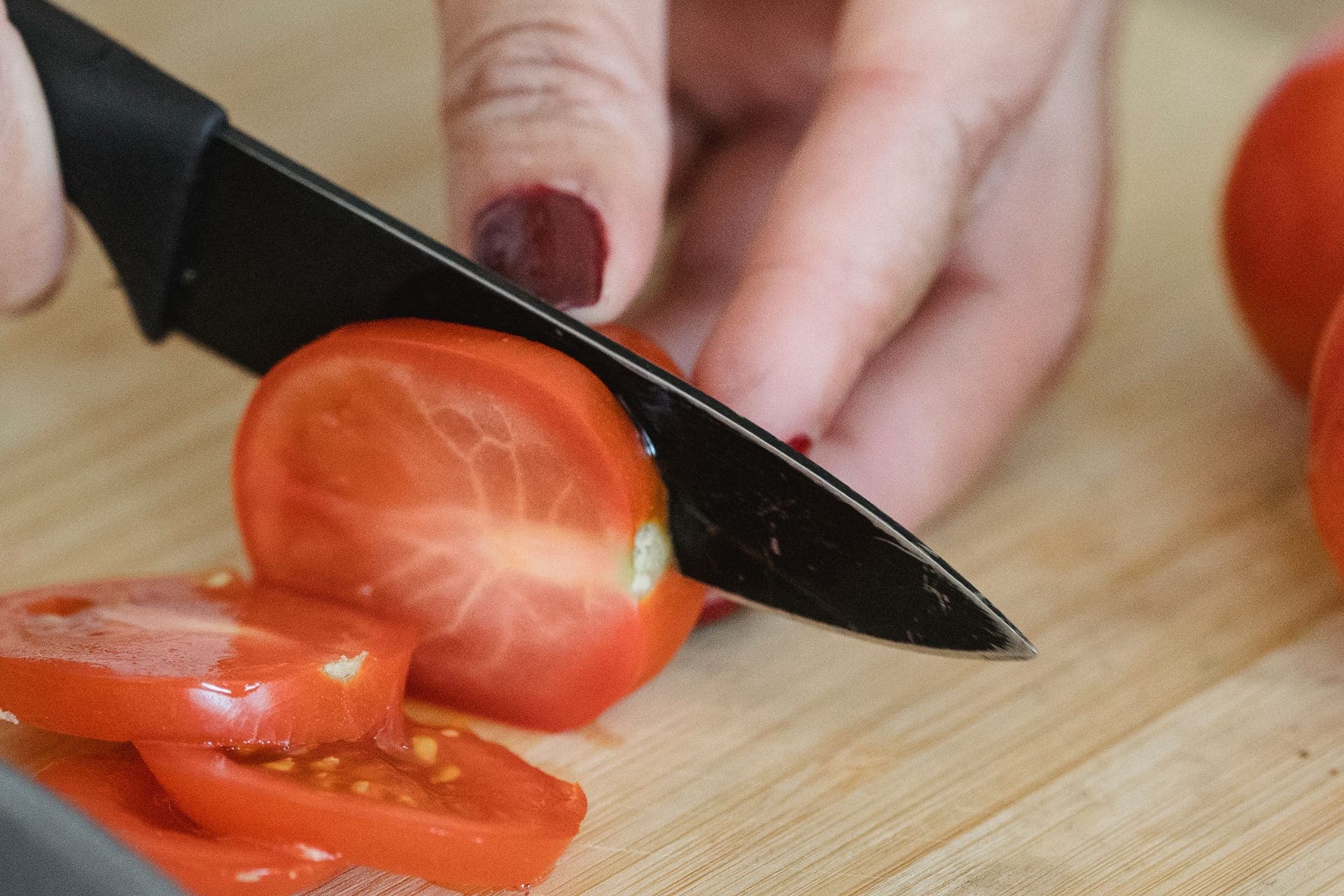
Comparison
Chef's Knife vs Utility Knife
A chef's knife handles almost everything; a utility knife fills the gap between it and a paring knife. When that gap is real, and when it is set filler.
Read it →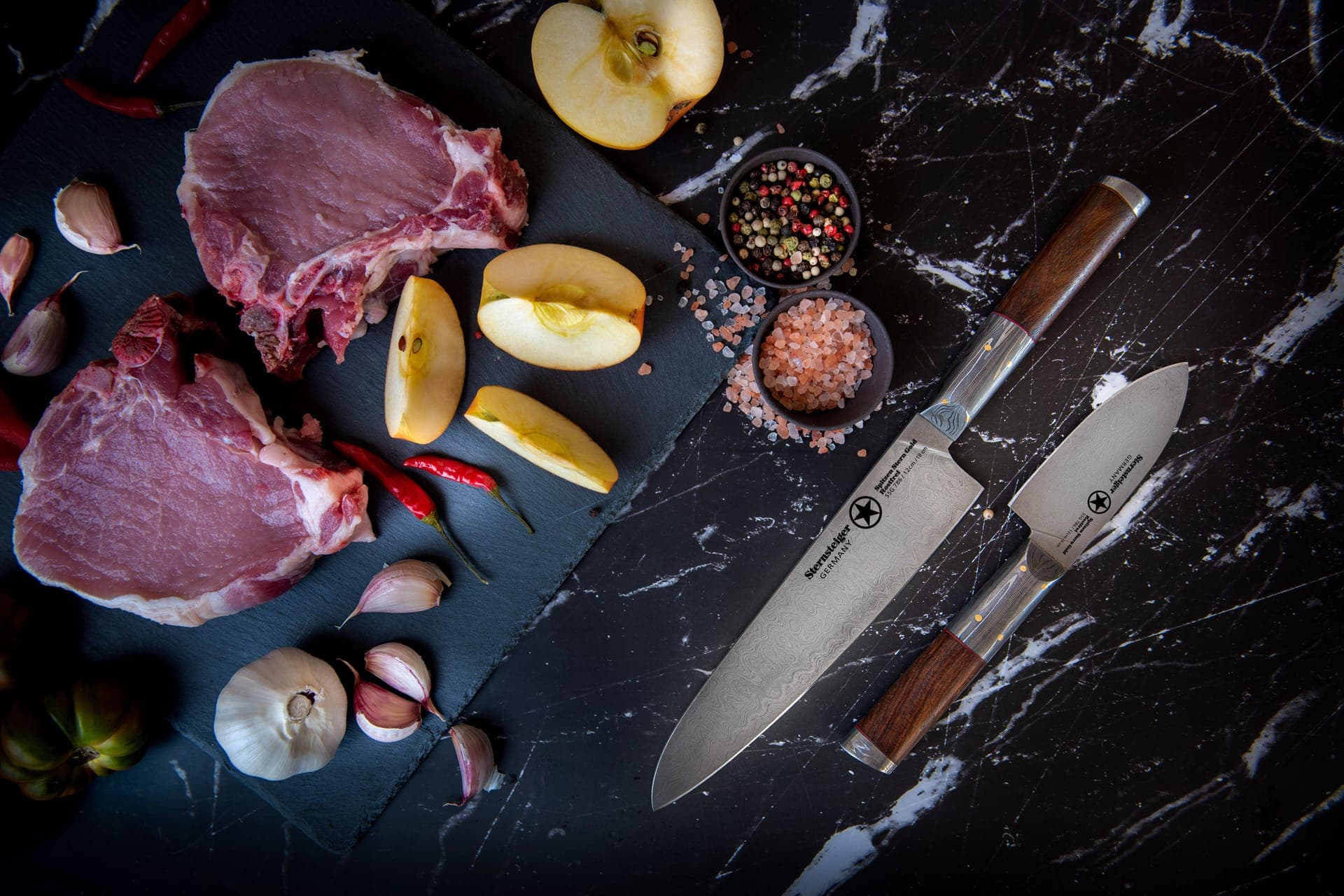
Comparison
What size chef's knife should you buy?
Why the 8-inch chef's knife is the default, when a 6-inch is genuinely the smarter buy, and who actually benefits from a 10-inch blade.
Read it →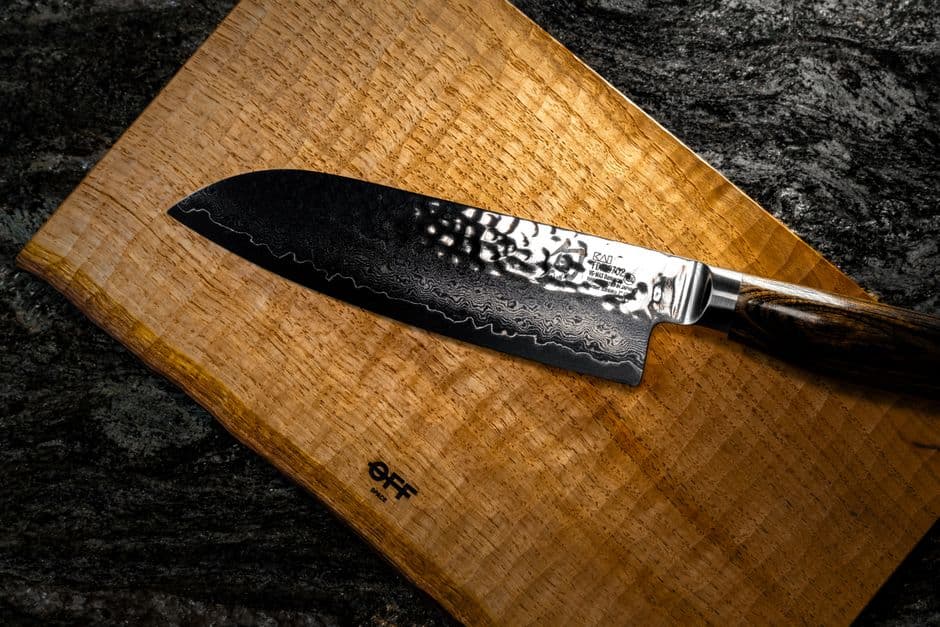
Comparison
Santoku vs Gyuto
Both are Japanese, both run hard steel at a keen angle. The santoku is short and flat for push-cutting; the gyuto is longer and curved and replaces a chef's knife outright.
Read it →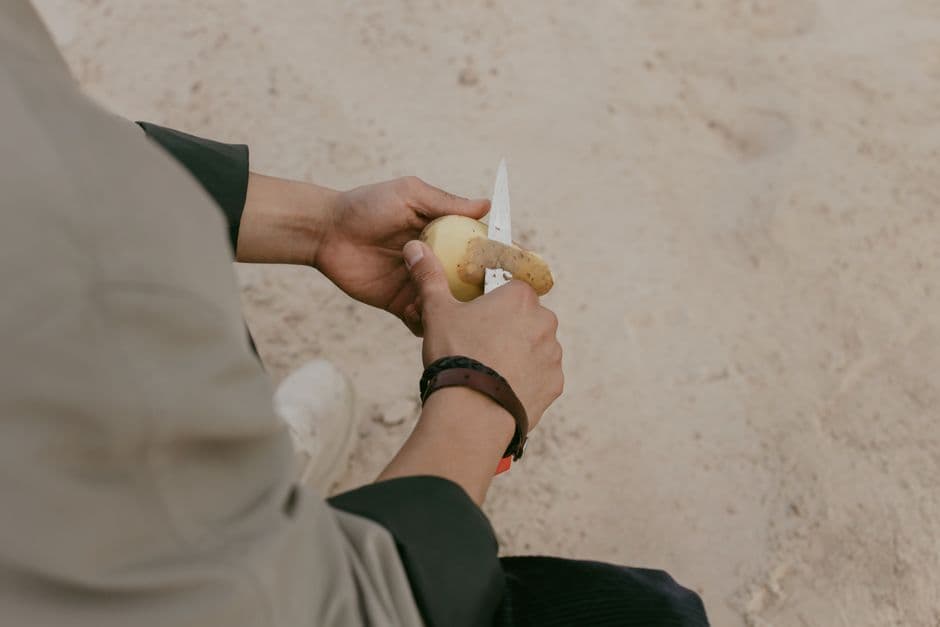
Comparison
Chef's Knife vs Paring Knife
A chef's knife cuts on a board with force behind it; a paring knife cuts in your hand with control. Where the line falls, and why almost every kitchen needs both.
Read it →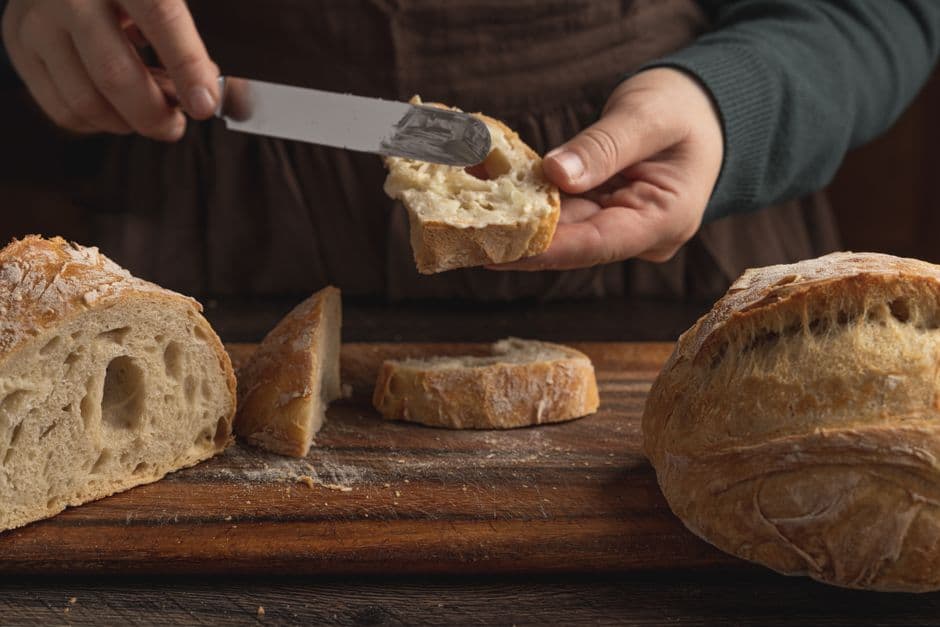
Comparison
Chef's Knife vs Bread Knife
A serrated bread knife bites through a hard crust that a straight edge slides off or crushes. What each edge is physically doing, and the jobs a bread knife quietly wins.
Read it →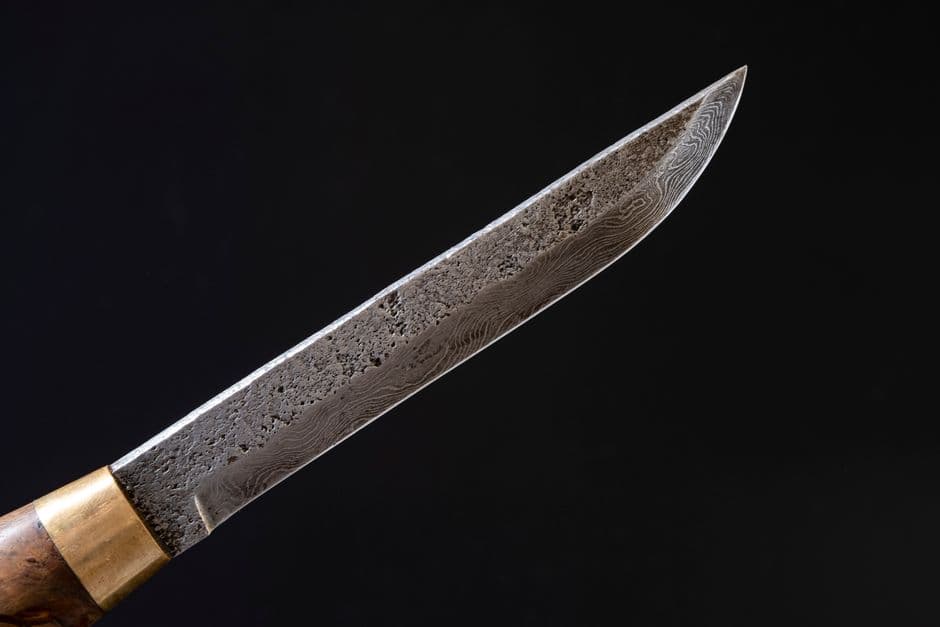
Comparison
Stamped vs Forged Knives
Forged means heavier, pricier and usually bolstered; stamped means lighter, cheaper and often more agile. What the process really changes - and what it does not.
Read it →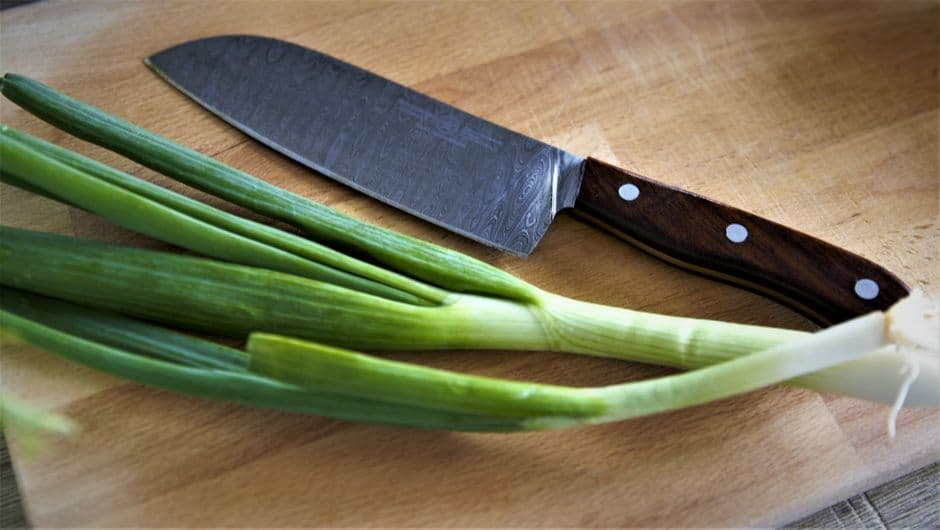
Comparison
High-Carbon vs Stainless Steel Knives
Carbon takes a keener edge faster and rusts within minutes of neglect; stainless forgives everything and is marginally harder to sharpen. Which trade actually suits your kitchen.
Read it →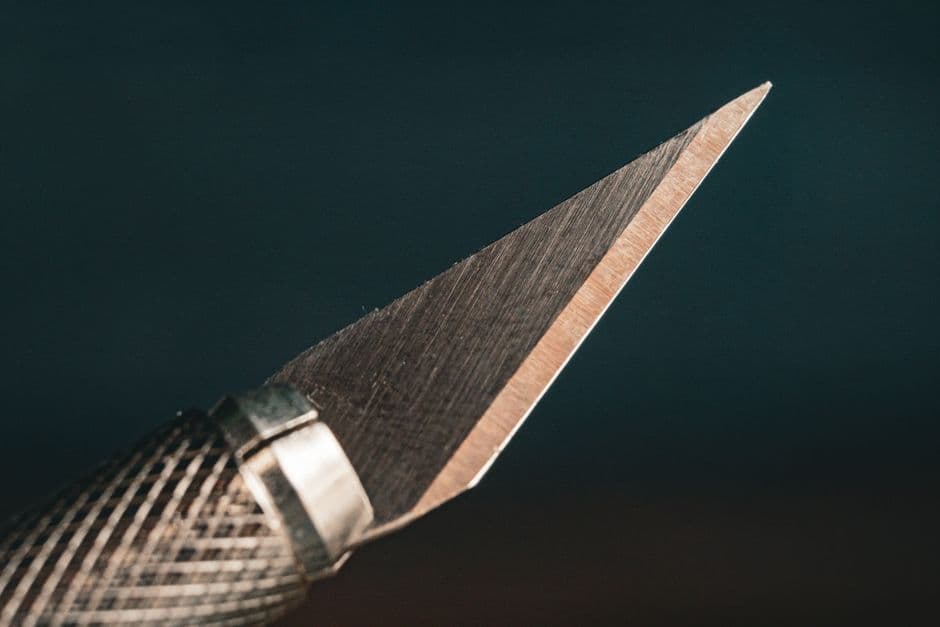
Comparison
Single Bevel vs Double Bevel Knives
Double-bevel knives are ground on both sides and track straight for anyone. Single-bevel Japanese knives cut thinner and cleaner but steer, are handed, and demand real skill.
Read it →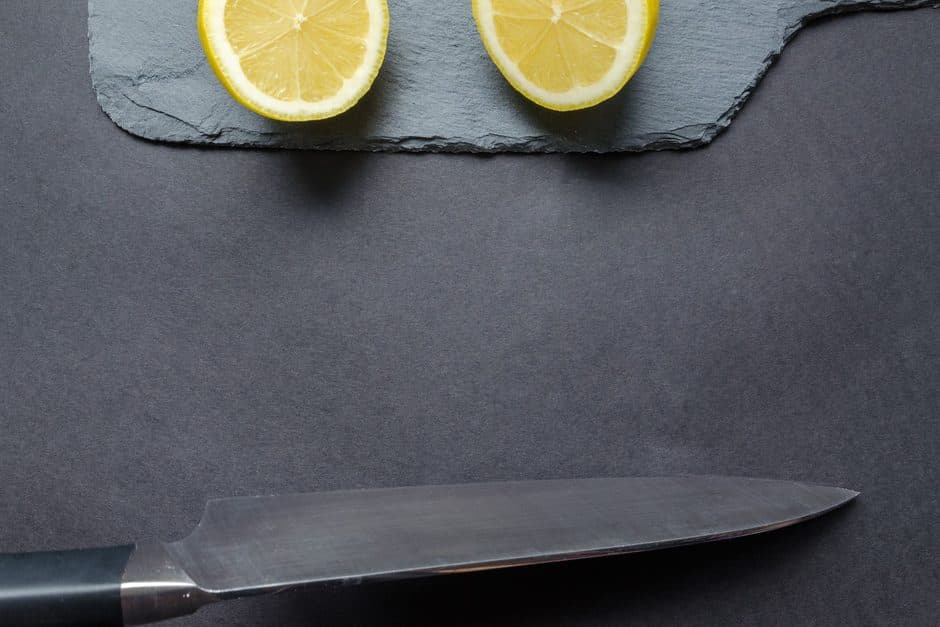
Comparison
Damascus steel knives, explained
Modern Damascus is decorative cladding folded around a cutting core. What the layers do, why layer count tells you nothing, and when a Damascus knife is genuinely worth it.
Read it →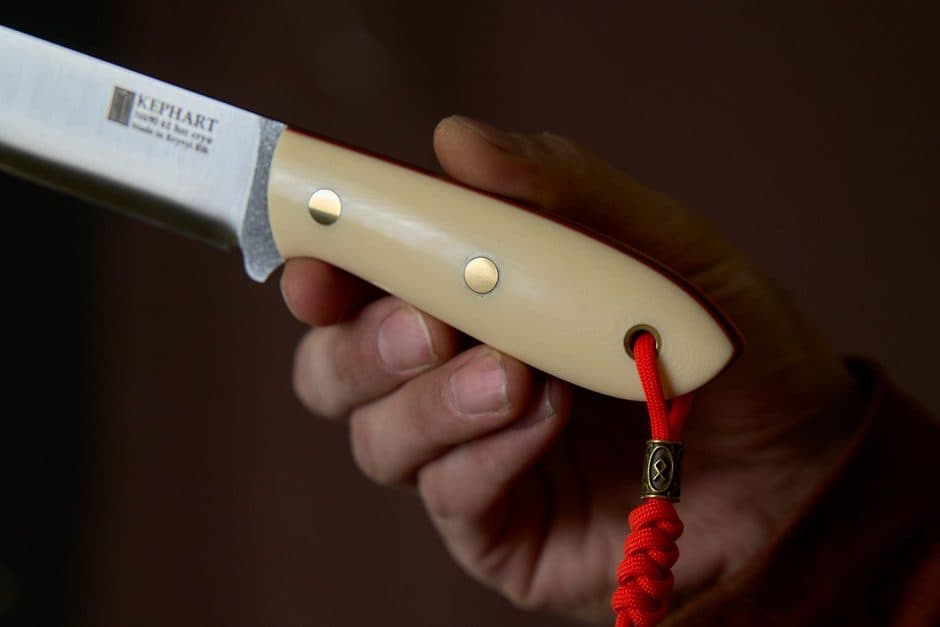
Comparison
Full tang vs partial tang
What a knife tang is, how full, partial, rat-tail and encapsulated tangs differ, and an honest read on how much full-tang construction really changes in a kitchen.
Read it →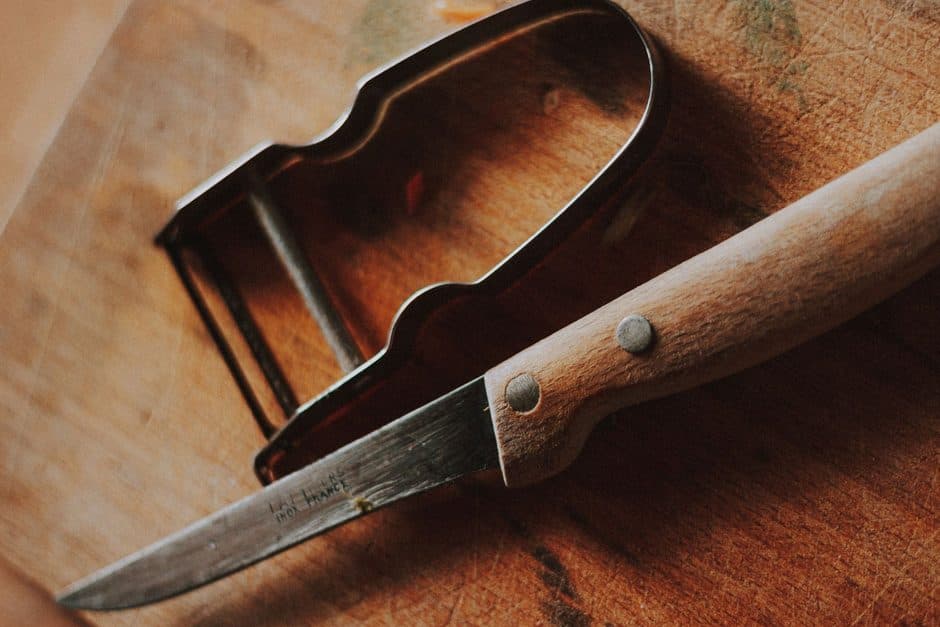
Comparison
Knife handle materials, compared
Pakkawood, POM, Fibrox, G-10, Santoprene, steel and natural wood compared on wet grip, durability, hygiene and comfort - the spec that decides whether you enjoy a knife.
Read it →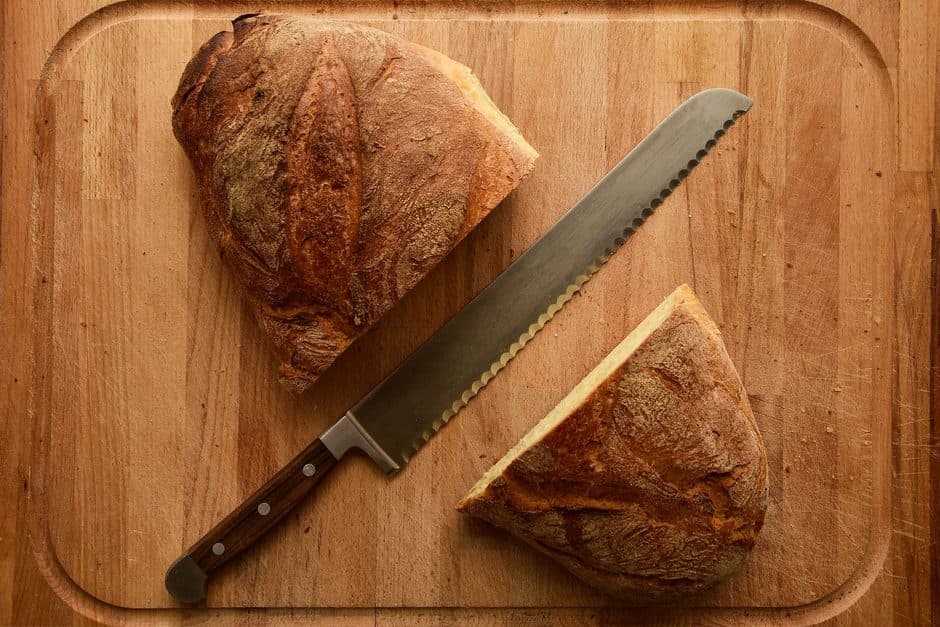
Comparison
Serrated vs straight edge
Why serrated blades bite crust and skin that a straight edge slides off, what serrations cost you in cut quality, and which knives in a kitchen should be which.
Read it →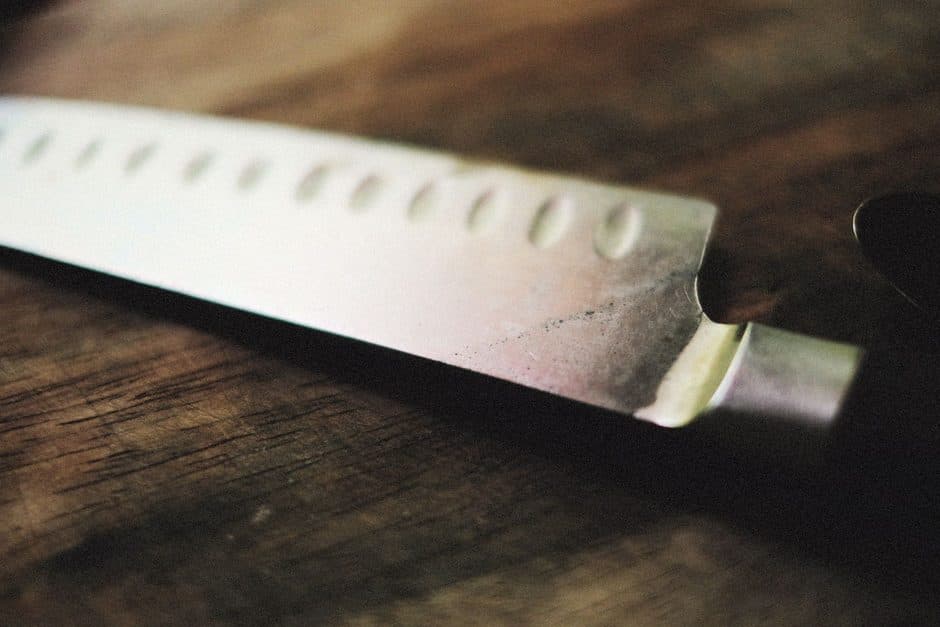
Comparison
Blade grinds, explained
Flat, hollow, convex and compound grinds compared - what the geometry behind the edge does in food, and why it matters more than the edge angle everyone quotes.
Read it →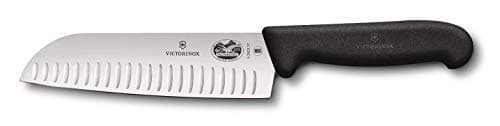
Buyer's guide
Why do knives have holes in the blade?
The dimples on a santoku or a slicing knife are a Granton or hollow edge: oval scallops ground into the blade faces to break the suction that makes wet slices stick. What they do, what they do not do, and the three scalloped knives in our registry ranked.
Read it →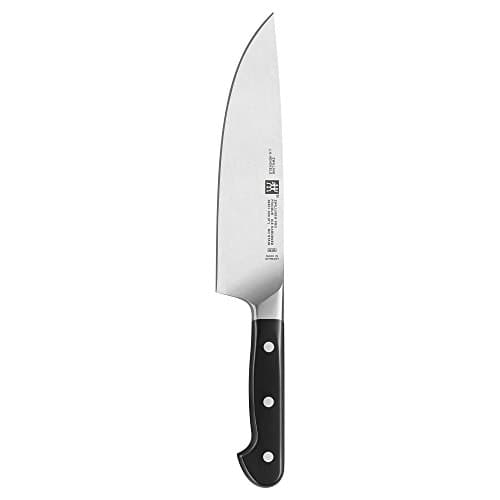
Buyer's guide
Full bolster vs half bolster
If you sharpen your own knives, buy a half or sloped bolster - a full bolster stops the heel short of the stone and the last few millimetres of edge slowly develop a recurve. If you never sharpen, the full bolster is a comfortable finger guard and costs you nothing. What a bolster is, the three types, and the one knife each suits.
Read it →