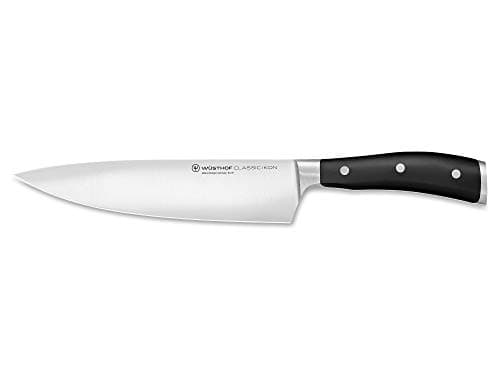
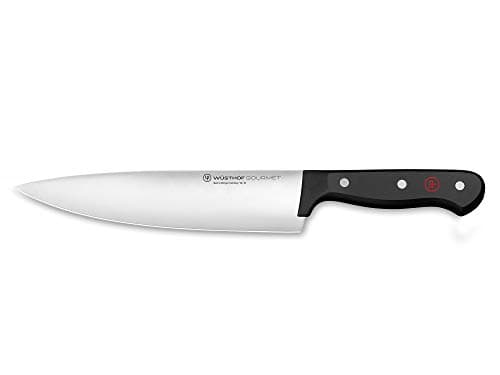
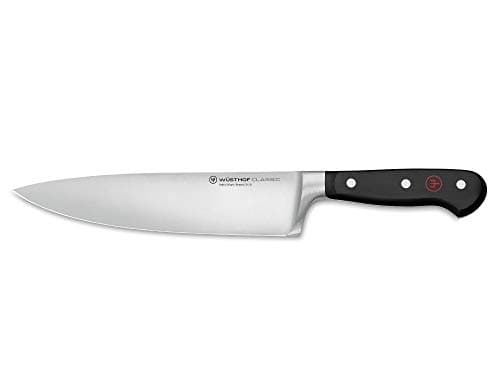
Buy the Wusthof Classic 8" — it is the best Wusthof knife and the right first purchase for anyone buying into the brand. Forged Solingen X50CrMoV15 at roughly 58 HRC, full bolster and full tang, ground with Precision Edge Technology to about 14 degrees per side — the narrowest factory edge of any Western knife in our registry, which is why it arrives genuinely sharp rather than merely competent. The budget pick is the Wusthof Gourmet 8", precision stamped in the same city at roughly 56 HRC and about 6.4 ounces: a real Wusthof at a fraction of Classic money, and the right answer if weight or price is the constraint.
Every knife here was in stock and priced at our last price check. We do not print a number in the prose, because prices move and a sentence cannot: the Quick Picks table carries the live price and the date we pulled it, with a Check price button on every row.
Wusthof is organized by line, and only two things actually differ
This is the thing that makes the brand confusing on a shop shelf and simple once you see it. Wusthof runs several ranges, all in the same Solingen steel family, and the published differences between them come down to two specifications.
Forged or precision-stamped.Classic and Classic Ikon are forged from a billet, which allows a bolster and a visible full tang and comes with a higher published hardness, around 58 HRC. Gourmet is precision-stamped from rolled sheet at roughly 56 HRC and about 6.4 ounces — lighter, cheaper, no bolster heft. Stamped vs forged knives is what each of those words is actually promising.
Full bolster or half. The Classic carries a full bolster running to the heel. The Classic Ikon carries a half bolster that leaves the heel exposed. That sounds cosmetic and is not: a full bolster sits thicker than the blade immediately behind the heel, so the last few millimetres of edge never reach a flat stone and slowly develop a recurve over years of sharpening. Full bolster vs half bolster goes through it properly, including why Wusthof's own weight-saving claim for the half bolster is worth about six grams and therefore is not the real benefit.
Everything else — the steel, the heat treatment, the 14-degree grind, the warranty, the spares catalogue — is shared. So once you have picked a line, choosing between Wusthof knives is a question of shape, and that is how the list below is ordered: the knives worth owning, in the order worth buying them.
One thing a buyer would not guess.At our last price check the Classic Ikon — the line most people treat as the upgrade — sat below the Classic. The Ikon is the better knife for anyone who sharpens, so if that is still true when you look, the decision is easy. Check the table.
The method is on how we review: we have not hands-on tested these knives and we do not claim to have. The scores come from published specifications — steel composition and hardness, edge angle, bolster and tang construction, weight, blade geometry — and from value arithmetic against the live price. Everything sits under the chef knives hub.
Which line should you buy?
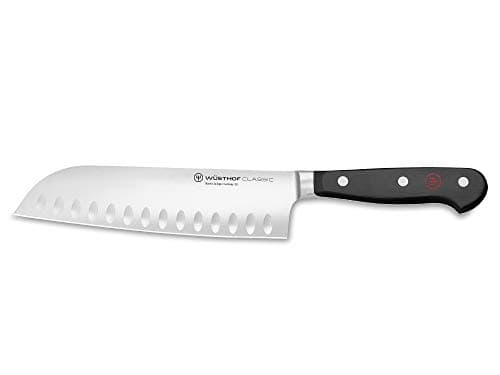
Classic if you want the knife people mean when they say Wusthof: forged X50CrMoV15 at roughly 58 HRC, a full bolster, a full tang and a ~14 degree per side grind, with the deepest spares and matching-piece catalogue of any brand we rank. This is the default and the right default.
Classic Ikonif you sharpen your own knives. Same forging, same steel, same hardness, same grind, and a half bolster that leaves the heel exposed so the whole edge reaches a flat stone. Published at 9.1 ounces with a 3 mm spine and 1.75 inches of blade height — figures most makers do not state at all.
Gourmet if price or weight is the constraint. Precision stamped in Solingen in the same steel at roughly 56 HRC and about 6.4 ounces. It is not a cheap Classic; it is a light stamped knife from a good factory, and for a lot of home cooks that is the better object.
The 14-degree grind, and what it means for sharpening
This is the brand's real differentiator and the thing most owners accidentally undo. Wusthof publishes Precision Edge Technology at about 14 degrees per side. The Western foodservice standard is nearer 20 — Victorinox publishes roughly 20 — and most sharpening guides, pull-throughs and fixed-angle electrics are built around that wider number.
Run a 14-degree Wusthof through a 20-degree fixed-angle electric and you will grind the shoulders of the bevel away until the knife matches the machine. It will still cut; it will never arrive at the edge it was sold with again. The sharpeners that can hold 15 degrees or below are the ones worth owning for this brand — see best knife sharpeners under $100, where the only pick with an adjustable 15-to-30-degree range is the one we recommend, and knife sharpening angles for the full table.
For routine upkeep, ~58 HRC steel rolls rather than chips, which means a ridged steel honing rod is the correct tool and a ceramic one is optional. Wusthof makes a fine-cut 10-inch magnetic steel for exactly this, and best honing steels ranks it against the rest of the category. How to use a honing steel is the ten-minute skill that keeps the 14-degree edge feeling like one.
Buying order, if you are starting from nothing
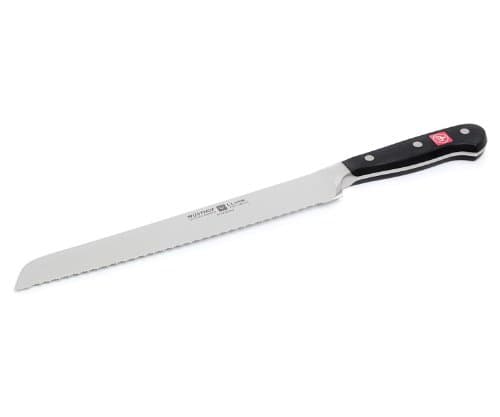
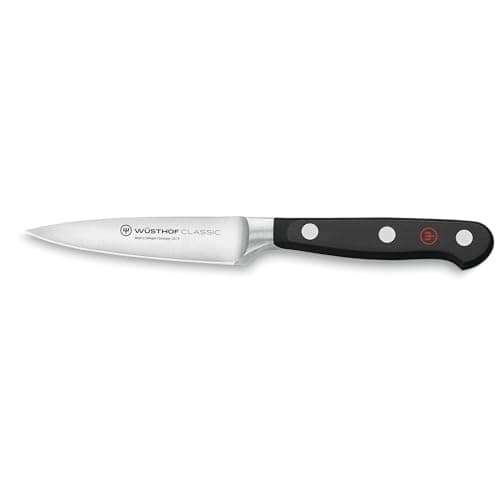
First:the Classic 8-inch chef's knife — or the Classic Ikon if you sharpen, or the Gourmet if weight or price is the constraint. One, not several. Second: a honing steel, because an unmaintained Wusthof is the single most common reason people decide the brand is overrated. Third:a paring knife, and the honest advice is that a cheap Swiss one does the job — buy the Wusthof only if matching matters to you. Fourth: the 9-inch double-serrated bread knife, if you eat bread. Everything after that is specialization.
Three more pieces exist in the registry and did not make the seven: a Classic 6-inch cleaver, a Classic 6-inch flexible boning knife and a Classic 4.5-inch utility knife. Each is a good knife for a specific job and none belongs in a first purchase — best cleavers, best boning knives and best utility knives rank them against their real competition.
What Wusthof does not do
No hard steel.The hardest published figure in the range is around 58 HRC. A Shun Classic runs 60–61 on a VG-MAX core and holds a finer edge far longer, and demands more care for it — see best Shun knives and Japanese vs German chef knives.
No Damascus and no composite cladding.Everything here is monosteel X50CrMoV15. If the pattern is what you want, that is a Japanese conversation — Damascus steel knives explained is honest about what cladding does and does not do.
No cheap entry point. The Gourmet is the floor, and it still costs multiples of a Victorinox Fibrox Pro that cuts food just as well. If price is the binding constraint rather than brand, read alternatives to Wusthof, which ranks five knives by which Wusthof property each one actually matches.
How we ranked these
Five metrics, tuned for a single-brand lineup. Build & construction reads forged versus stamped, tang, bolster geometry and published weight. Cutting ability reads blade geometry, the published edge angle and blade height. Edge retention reads published hardness. Handle & ergonomics covers material, shape, balance and the bolster under the fingers. Value per dollaris specification quality against the live price, which is why two excellent objects — the paring knife and the block set — finish where they do. The overall is the mean of the five to one decimal place, and the Ikon scores above the Classic on it; the entries for both say so plainly rather than the weights being quietly adjusted. None of these numbers came from a test lab, because we do not have one, and how we review says so in those words.