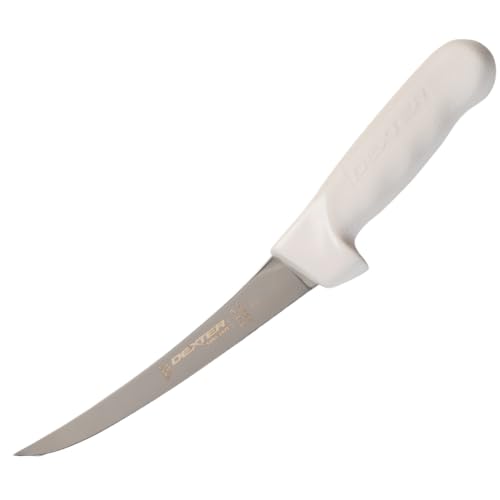
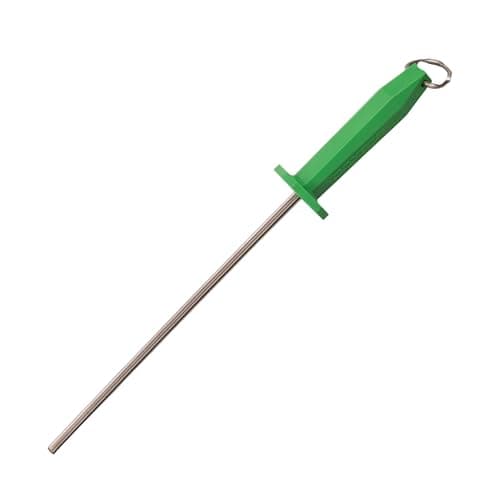
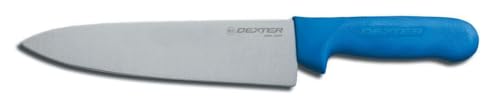
The Dexter-Russell Sani-Safe 8-inch cook's knife is the best Dexter-Russell knife, and it is for anyone who wants a properly made American chef's knife and does not care what it looks like. DEXSTEEL high-carbon stainless, a textured polypropylene handle, NSF certification and published manufacture in Southbridge, Massachusetts — at a price below most stamped supermarket knives. The budget pick is the Sani-Safe 6-inch curved flexible boning knife, the cheapest knife in the lineup and the one that does a job nothing else here can.
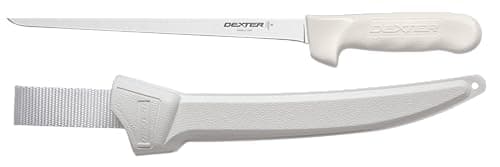
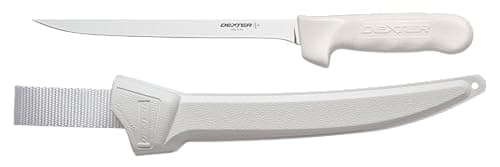
The autocomplete cluster for this brand asks two product-level questions rather than one brand-level one — "best dexter russell fillet knife" and "best dexter russell chef knife" are the top two suggestions. This page answers both: the chef's knife is ranked first and the two fillet knives are ranked third and fifth.
We do not print a price in the prose. The Quick Picks table carries the live price and the date we pulled it, with a Check price button on every row.
What Dexter-Russell publishes, and what it conspicuously does not
Every other brand roundup on this site can be organized around a hardness figure or an edge angle. This one cannot, and that absence is the most honest place to start.
Dexter-Russell publishes no Rockwell hardness figure for any knife ranked here, and no per-side edge angle either. We score both as unpublished rather than estimating them. That is not unusual for a foodservice supplier: the buyer is a restaurant group purchasing by the dozen, and the specifications that matter to that buyer are different ones.
What the brand does publish is consistent and genuinely informative:
DEXSTEEL high-carbon stainless. A named proprietary steel, used across the Sani-Safe line. No hardness figure attaches to the name, so treat it as a family rather than a specification.
NSF certification. This is the real headline and it is more meaningful than it sounds. NSF certification for a knife is about the handle and the blade-to-handle joint: a certified knife has no crevice where protein can lodge and no seam that will open up. It is a hygiene standard, independently administered, and most consumer knives do not carry it.
A sealed, textured Sani-Safe polypropylene handle. Grips when wet and greasy, survives a commercial dishwasher, and is sealed to the blade rather than riveted through it.
Manufacture in Southbridge, Massachusetts. Published on the listings and the reason the brand appears on alternatives to Cutco— American manufacture is one of the few things that page's subject is actually known for, and almost nothing else in this registry matches it.
How we ranked them
Five metrics, identical across the six picks, scored as judgments from published specifications rather than measurements — how we review sets out the basis.
Edge & steel is the cutting part, scored conservatively precisely because the hardness is unpublished. Build & origin is construction and where it was made. Handling is how it behaves in use. Hygiene & certificationis the NSF and handle story, which is the brand's actual differentiator. Value is what it costs against what it does.
One consequence worth flagging: on an open "best chef knife" page, the Sani-Safe 8-inch would not win, because brands that publish a hardness figure and a specified edge angle can be scored higher on steel. On a Dexter-Russell page it wins comfortably, because the metrics that reward this brand are the ones it was designed around. We say the same thing on the Cutco page and it is worth repeating here.
Which Dexter-Russell should you actually buy?
One knife.The Sani-Safe 8-inch cook's knife, plus the No Work Steel. That pair costs less than a single mid-range German chef's knife and will do the work.
You fillet fish. The 9-inch fillet for whole and large fish; the 8-inch narrow if your fish are small or you do a lot of trimming. Check the prices in the table before deciding, because the longer knife has been the cheaper one.
You break down poultry. The 6-inch curved flexible boning knife. Cheapest thing here and the one that does something nothing else does.
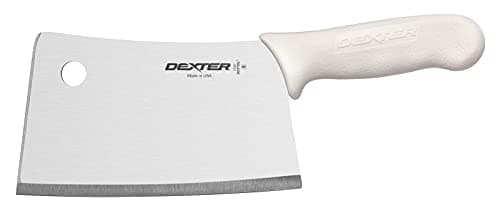
You butcher at home. The 7-inch meat cleaver.
You want a knife that looks good on the counter.Not this brand. Buy German or Japanese and accept that you are paying partly for how it looks — best chef knife brands places all of them against each other.
Who this brand is genuinely right for
Three kinds of buyer, and it is worth being specific because the brand markets to none of them.
Anyone who cares about hygiene over aesthetics. NSF certification and a sealed handle joint are real, independently administered advantages, and almost no consumer knife brand carries them.
Anyone buying American. Published manufacture in Southbridge, Massachusetts, is rare at any price and effectively unique at this one.
Anyone who will actually sharpen.A soft, easy-sharpening stainless rewards a cook with a stone and a rod, and penalises one who sharpens annually. If you fall in the second group, a harder steel holds its edge through your neglect better — easiest knives to sharpen covers that trade.
What the lineup does not contain
No santoku, no nakiri, no bread knife and no paring knife carries a live price in this registry, and there is no Dexter-Russell knife set here either. This is a partial view of a large commercial catalog rather than the whole brand, and we would rather say that than imply the six knives above are the complete range. For the shapes it lacks, best Mercer knives is the closest equivalent commercial-value lineup.