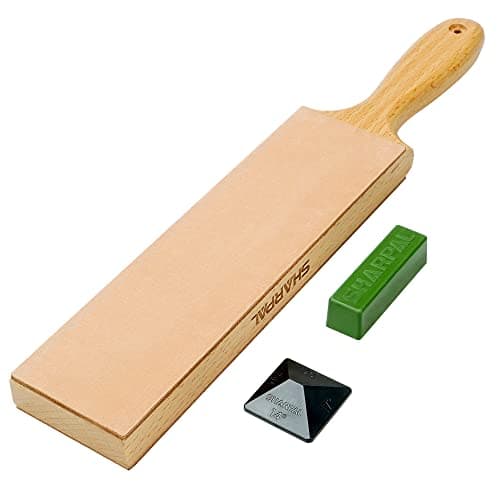
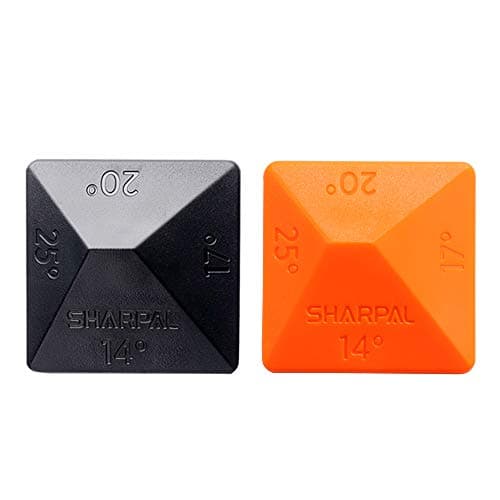
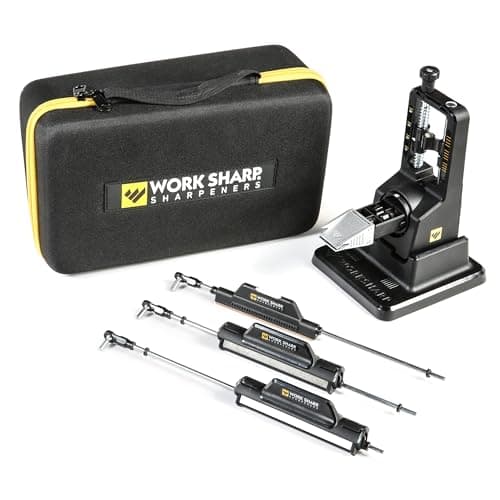
Buying for someone who is genuinely into knives feels impossible for one reason: whatever blade you pick, they have either already got it, already decided against it, or have an opinion about it you are not equipped to survive. Trying to out-choose them on a knife is the losing move. The winning move is to buy for the collection rather than into it — the maintenance, the surfaces and the small precise things that serve every knife they already own.
There is a second reason this works. Enthusiasts spend their money on blades and then run out of enthusiasm at the boring end: the stone they have had since they started, the board they have been meaning to replace, the strop they keep reading about. Those are exactly the gaps a gifter can fill confidently, because there is no personal fit involved — a better stone is better for any knife, and a board that is kind to hard steel is kind to all of it.
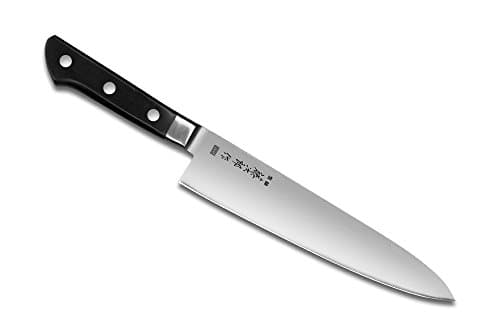
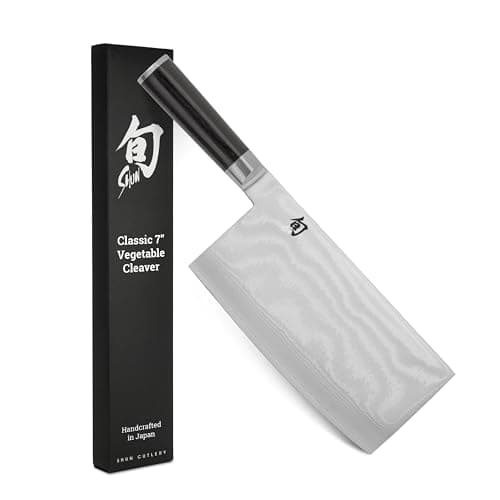
If you do want to buy a knife, buy a shaperather than an upgrade. A nakiri, a vegetable cleaver, a petty — a profile they do not own is a genuine addition, whereas a better chef's knife is an argument with a knife they chose themselves. Our knife types hub lays out what each profile is actually for. No prices appear in our text; the live figure under each pick carries the date we checked it.
Buy for the collection, not into it
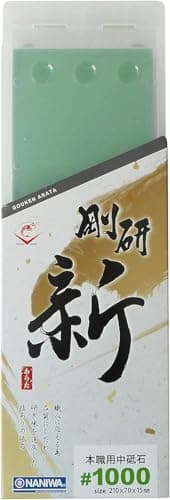
A knife is a personal fit — hand size, weight, balance, steel philosophy, handle shape. Someone who is into knives has already resolved all of that for themselves, and the odds of a gifter improving on their own conclusions are slim. Everything that serves the collection, on the other hand, is a safe bet: a better stone, a strop, a board that respects a keen edge, a precise sharpening system. None of those depends on fit, and all of them improve every blade in the drawer.
If it has to be a knife, buy a profile they are missing
The one knife purchase that reliably works is a shape rather than an upgrade. Most collections are deep in chef's knives and gyutos and thin everywhere else, so a nakiri, a vegetable cleaver or a petty adds something rather than competing with something. Check what is on the magnetic strip if you can — and if you cannot, the tall vegetable cleaver is the profile least likely to already be there. Our santoku versus nakiri comparison and the nakiri roundup cover what those shapes actually do.
The maintenance gap is real
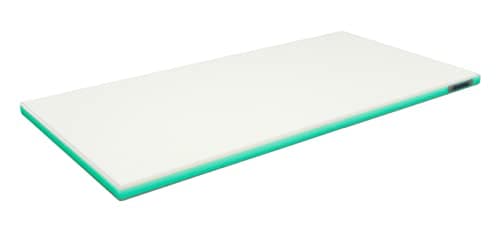
Enthusiasts spend on blades and under-spend on everything that keeps blades working. The three most common gaps, in order: a stone that is past its best, no strop at all, and a board that is harder than it should be for the steel they now own. Any of the three is a confident gift, and the third is the most valuable, because the cutting surface is the single largest influence on how fast an edge dies. If they have moved to hard Japanese steel and are still cutting on the board they used with German knives, that is the gift.
What to check before you buy
- Do they sharpen freehand by choice? If yes, buy stones and strops. If they have said they cannot get consistent, buy the guided system.
- What is their board? Glass, stone or bamboo means the board is the gift.
- What shapes are on the strip? Buy the gap, not a better version of what is there.
- Japanese or Western handles?A wa-handled knife is handed — get this wrong and it is uncomfortable, which is another argument for buying a stone instead.
What we would skip
Skip a "better" version of the knife they already use daily. Skip anything chosen purely for its Damascus pattern, because the cladding is decoration around a core and this recipient knows it. Skip novelty steel and limited editions bought on looks. And skip engraving — collections get traded and passed on, and a name on the blade ends that.
How we picked
We did not lab-test these knives
Everyone in this category says they tested twenty knives in a professional kitchen. We have not hands-on tested any of these, and we say so. What we did instead: compiled the published specifications — steel type and hardness (HRC), edge angle, blade geometry, weight and build — applied established sharpening standards, ran the value math (spec quality ÷ live price), and scored each product against a published rubric. The scores are judgments from documented research — not measurements we took, because we do not have a test lab and we will not pretend we do. Where a number came from someone else's work, we name them in Sources.