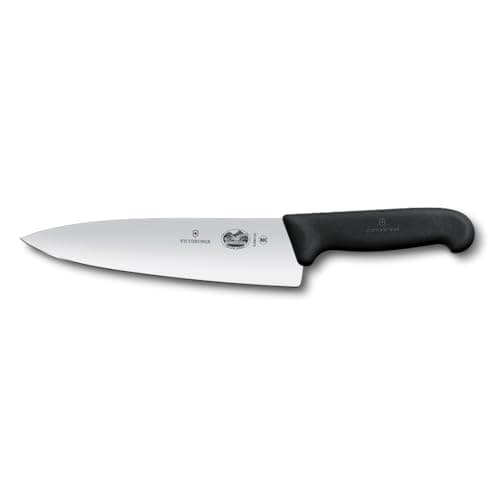
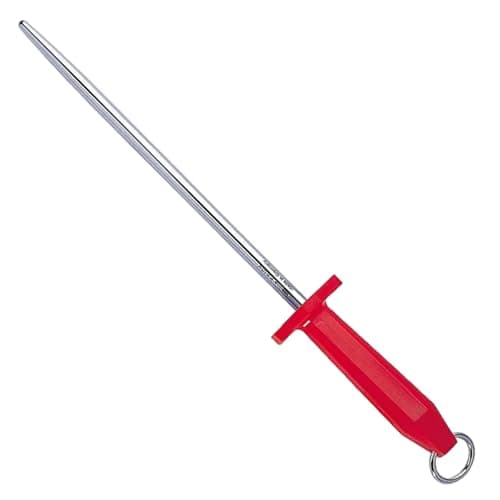
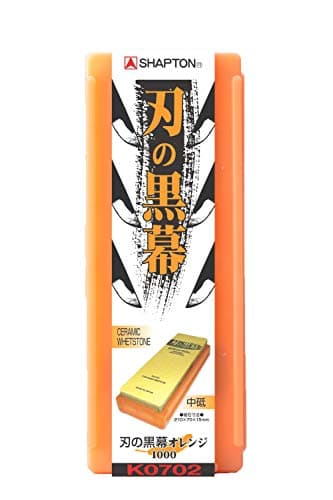
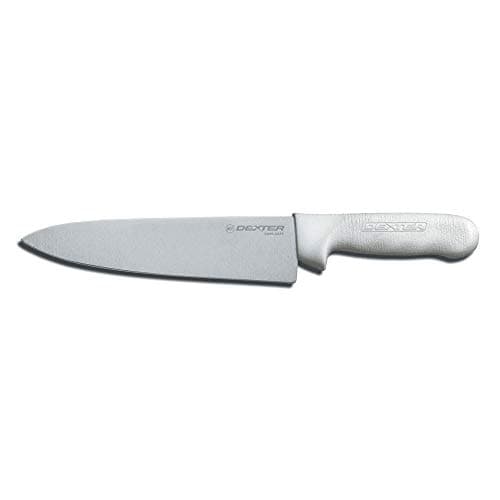
This is the one audience in the whole category where the obvious expensive gift is the wrong gift. A professional kitchen is hot, wet, fast and communal; knives get moved, mixed up, borrowed, dropped and occasionally stolen, and they are sharpened far more often than any home knife ever is. A thin, hard, beautiful Damascus blade in that environment is an expensive liability — which is exactly why the knives you see on a real prep line are light, grippy, NSF-certified and cheap enough to replace without grief.
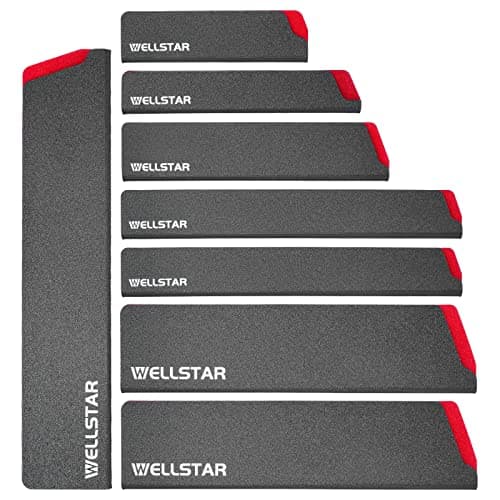
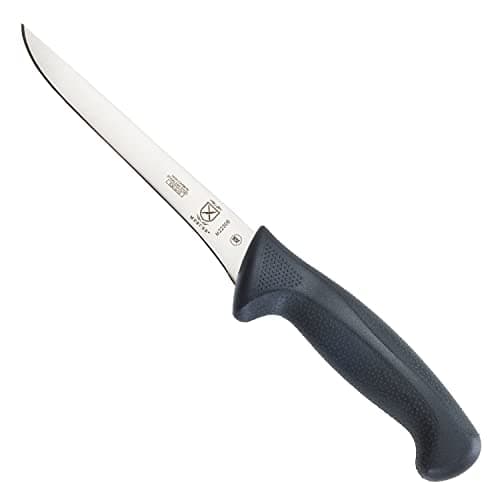
So the rule for this recipient inverts the usual one: buy the thing they will use up, not the thing they will treasure. Working cooks and culinary students burn through consumables and accessories, and those are precisely the items nobody thinks to give. A proper steel, a decent stone, edge guards for a knife roll, a boning knife the school kit did not include — these are the gaps that actually exist. Our professional chef knife roundup covers what line cooks genuinely carry and why.
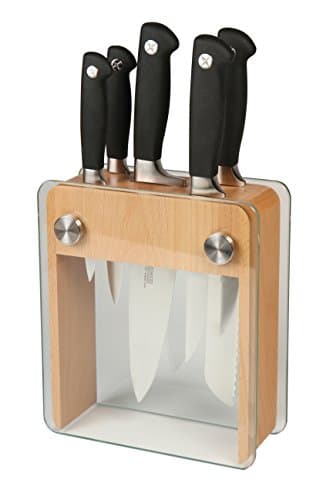
One exception is worth naming: a culinary student starting a programme is the single best candidate on this site for a forged set, because they are equipping a kit from nothing and the school list is long. That is the top pick below, and it is the only place we recommend a set without a warning attached. Prices never appear in our text — the live figure under each pick is the authority.
Why the showpiece knife is the wrong gift here
Professional kitchens are hard on knives in ways a home kitchen never is: constant use, wet hands, communal storage, speed over care, and sharpening several times a week rather than a few times a year. A hard, thin Japanese blade in that setting chips and gets worn down fast, and an expensive one also becomes a thing to worry about in a room where things disappear. That is not a slight on Japanese knives — it is why the knives on a real prep line are light, grippy, certified and inexpensive.
Buy consumables and accessories, not treasures
The gifts that land for a working cook are the ones they are always about to replace and never get around to: edge guards, a proper steel, a stone, a spare towel-friendly grip knife, a knife they can lend without flinching. Nobody buys these as presents, which is precisely why they work as presents. If you want a single guiding question, ask what they would replace this month if they had a spare fifty dollars — then buy that.
The culinary student exception
A student starting a programme is the one recipient on this site for whom a set is the right answer. They are equipping from zero against a school kit list, and a forged six-piece set covers the core of it in a single gift at a fraction of what buying the same pieces separately would cost. Check the school's required kit list first if you can — some programmes specify brands or require particular pieces — and be aware they will still need a roll or guards, because a block does not travel.
What a working cook actually wants
- Starting culinary school. The forged set, plus edge guards.
- Already on a line. A professional steel, or a working stone.
- Butchery or volume prep. The American commercial workhorse, or the stiff boning knife.
- Commutes between kitchens. Edge guards, every time.
- You genuinely do not know. The Victorinox. Nobody on a line has ever been annoyed to receive one.
What we would skip
Skip anything fragile or precious. Skip a knife with a wooden handle for someone whose knives get washed at speed. Skip engraving unless you are certain — it kills resale and it makes a knife awkward to pass on. And skip an expensive Japanese blade unless they have specifically asked for one: a working cook who wants one usually already knows exactly which, and our Japanese chef knife roundup is a better place for them to point you than for you to guess.
A knife roll is one of the few gifts a working cook will use every shift, and it is an unusually safe one because it does not require you to guess at a blade preference. The thing to get right is capacity and the longest blade it will take, not the material — our ranking, including what to buy for a culinary student versus a private chef, is in the best knife rolls and chef knife bags.
If the person you are buying for is a collector rather than a working cook, best gifts for knife lovers is the better list — it is organised around the people who already own a good chef's knife and want something they do not have.
How we picked
We did not lab-test these knives
Everyone in this category says they tested twenty knives in a professional kitchen. We have not hands-on tested any of these, and we say so. What we did instead: compiled the published specifications — steel type and hardness (HRC), edge angle, blade geometry, weight and build — applied established sharpening standards, ran the value math (spec quality ÷ live price), and scored each product against a published rubric. The scores are judgments from documented research — not measurements we took, because we do not have a test lab and we will not pretend we do. Where a number came from someone else's work, we name them in Sources.